Eid al-Fitr has its own flavor and joy in various Islamic countries, and the rituals of Eid differ from one country to another, according to its customs and traditions. In every country, there have been special feast rituals since ancient times, and they changed somewhat, with the change of life and development, but the rituals practiced by parents and grandparents remain a title for generations.
The "Common" Culture of Eid
Many customs and traditions of Eid, whether Eid al-Fitr or Eid al-Adha, have changed between the past and the present. The old feast was warmer and more intimate, and was based primarily on the idea of family gatherings, visits between friends, and the exchange of congratulations, unlike what is happening today, where most People are more closed to themselves, and most of the congratulations come via SMS. Many years ago - perhaps before the spread of the Internet - the Eid rituals were different from what we are witnessing today. Perhaps they contained some family warmth and family spirit. The most prominent Eid rituals in the past were as follows:
Elderly people investigate the crescent of Eid

Image Credit: nousnou iwasaki on Unsplash
In the past, before investigating the sighting of the Eid crescent through binoculars, the crescent was investigated by people with sharp eyes, especially those who live in the desert or remote villages, due to the lack of lights, so the sky is clearer to the eye. Old people were in the past waiting for the news, and they sought to sight the crescent themselves and inform the people of the country, especially through the call to prayer in mosques, so everyone, young and old, eagerly awaited the news with longing and enthusiasm.
Mothers and grandmothers making Eid cakes
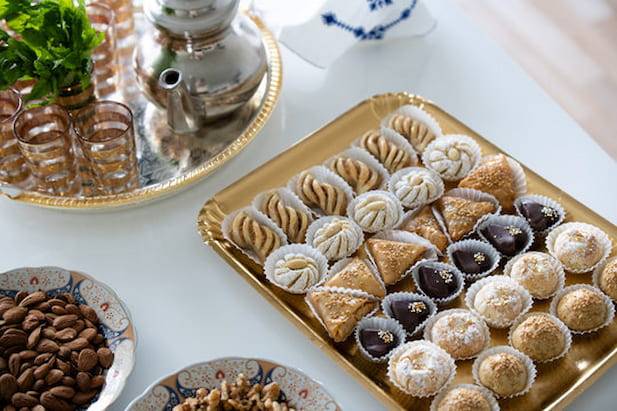
Image Credit: Adobe Stock Photos
One of the most prominent and most beautiful customs of Eid al-Fitr was the making of Eid cakes by mothers and grandfathers' days before the coming of the holy month of Ramadan. The grandmother would sit in front of the oven to flatten the cakes, and the mothers would knead the dough and divide it into balls, and the little girls would be alone in forming the cakes, stacking them in trays, and giving them to the grandmother to bake.
Giving sweets to children after Eid prayer
In the old days, adults used to carry sweets in their pockets when they went to the Eid prayer. When they finished praying, the children greeted them on their way back home with peace and congratulations. They distributed sweets to them to make them happy. This is why adults currently suffer from a lack of passion for the feast due to their lack of such customs.
Greetings with shaking hands when meeting loved ones
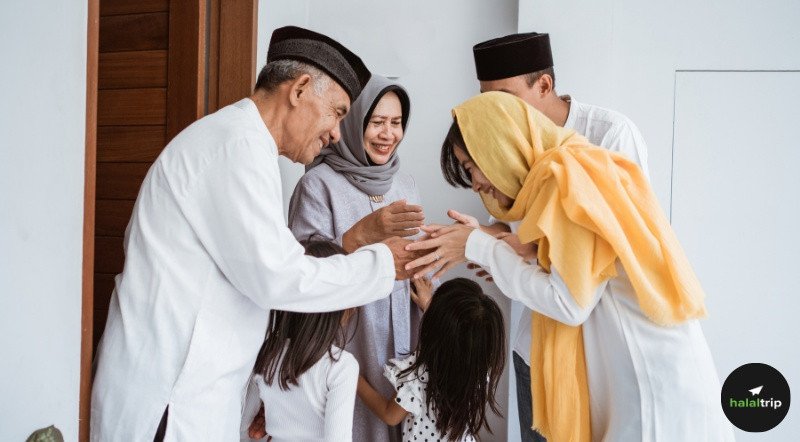
Not everyone was so introverted in the past as it is now. People were more intimate and would meet each other in the streets to greet and exchange congratulations on the advent of Eid. Every person would meet his neighbors, friends, and colleagues, stand with them and exchange congratulations with a smile, friendship and love.
Buy simple toys to keep children entertained
Children of the past were waiting for the feast to buy toys and play with them, so adults would buy simple toys for children and give them on holidays, such as carts, pistols, etc., and these toys were a great way of happiness for children who enjoyed simplicity before the development of time and the advent of the Internet and electronic games.
Family gathering for lunch together
Parents’ nostalgia for the manifestations of the feast in the past may be represented in the family members meeting together, to eat lunch more than any other appearance, as the feast was old. Eid has a real meaning by bringing them together.
Are Eid Customs Different from the Past?
If we take a look at the manifestations of Eid al-Adha or Eid al-Fitr between the past and the present, we will find that there are many customs that differed, there are customs that have disappeared and others that have existed, the most prominent of which are:
The statement of the Ministry of Awqaf for the day of Eid
After being informed of the sighting of the Eid crescent, using modern astronomical means such as binoculars, the Ministry of Awqaf issued an official statement stating the date of the first day of Eid, and although this development facilitated the process of investigating the crescent, it made adults lose the passion to investigate the Eid crescent themselves.
Buy clothes and holiday cakes online

Image Credit: Bruno Kelzer on Unsplash
Most women no longer have the time or the physical ability to make Eid cakes at home, or go out to buy Eid clothes from stores, so the concept of buying online has spread widely. Also, the concept of family gathering and making Eid cakes and sweets is not common anymore, it spread instead of buying ready-made cakes from shops or ordering them via the Internet from well-known places specialized in making Eid sweets, and although this is more physically comfortable, we lost the pleasure of welcoming Eid.
Greeting by text message or video call

With the advent of the Internet, people have become more socially separated on the ground, and are closer to each other from behind the screens only, so the Eid greeting is mostly done via a text message to neighbors and colleagues, and via a video call to family or friends that usually does not exceed a few minutes. Although the Internet and video calls, in particular, have helped shorten distances, especially between the expatriate and his family, at the same time, they have distanced people who live in one city, one street, or even one house.
Eating out
The concept of gathering at home to eat lunch on the first day of Eid is no longer common or important, as the concept of eating outside the house on the first days of Eid has become more popular, and children want to go out and eat ready and fast foods on Eid days, and they do not want to stay at home or eat Homemade.
Taking children to the amusement parks
In the past, children were simpler than now. They were waiting for Eid to gather in front of the houses and play in the street, and to go out with the family to visit family and family and exchange congratulations. Now children are more forward-looking, they don't want to go home, they don't want to play in the street, they want to go to the amusement parks, play games, take pictures and upload them on social media.