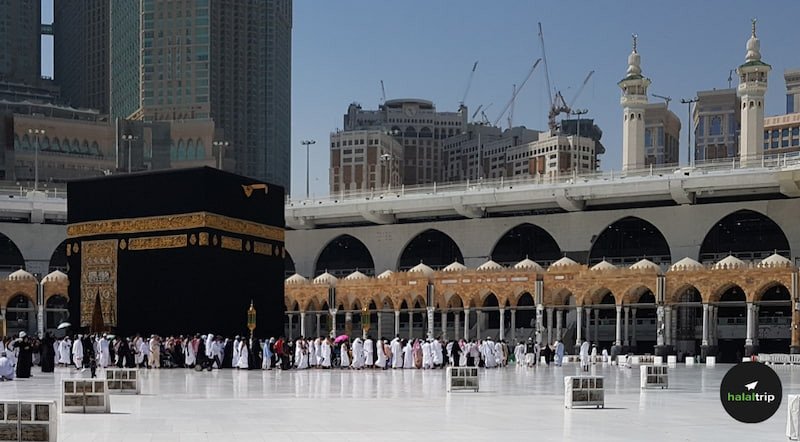
Hajj, the annual Islamic pilgrimage, is a significant event for millions of Muslims worldwide. It is a time of spiritual renewal, devotion, and unity as Muslims from diverse backgrounds come together in Mecca to fulfill their religious obligations. In this comprehensive guide, we will explore the dates and significance of Hajj 2024, providing valuable insights into this momentous occasion.

The Timing of Hajj 2024
Image Credit: Sanni Sahil on Unsplash
Hajj is one of the five pillars of Islam and holds immense religious and spiritual significance. It is an obligatory pilgrimage for Muslims who are physically and financially capable of undertaking the journey. Hajj is a demonstration of faith, humility, and submission to the will of Allah.
The Islamic Lunar Calendar
Hajj follows the Islamic lunar calendar, which consists of twelve months based on the cycles of the moon. Unlike the Gregorian calendar, the dates of Islamic months vary from year to year. The exact timing of Hajj is determined by the sighting of the new moon.
Hajj 2024: Expected Dates
The anticipated time for Hajj takes place in the last month of the Islamic calendar, Dhul-Hijjah. The estimated dates for Hajj 2024 are expected to fall in the month of Dhul-Hijjah, takes place over a span of 5 days between the 8th and 12th of the month. Therefore, Hajj this year would fall approximately between the 14 June and 19 June, subject to the sighting of the moon.
The Rituals of Hajj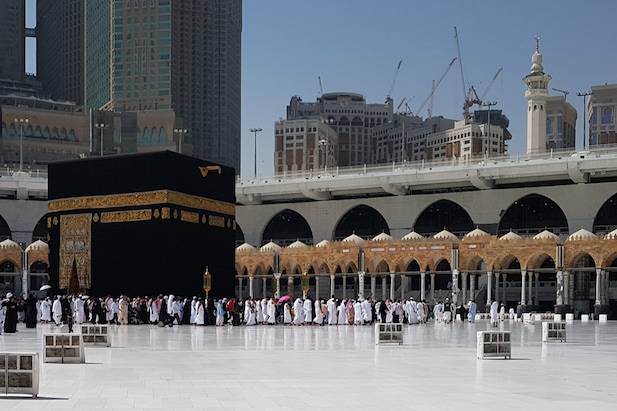
Image Credit: طفاف ابوماجدالسويدي on Unsplash
- Entering Ihram: Pilgrims enter the state of Ihram, a state of purity, by wearing simple white garments and observing specific restrictions.
- Tawaf: Pilgrims perform Tawaf, circumambulating the Kaaba seven times in a counterclockwise direction as a symbol of unity.
- Sa'i: Pilgrims undertake Sa'i, walking between the hills of Safa and Marwa, following the footsteps of Hajar (AS) in search of water for her son Prophet Ismail (AS).
- Mount Arafat: The most crucial day of Hajj, pilgrims gather at Mount Arafat, where they engage in supplication, seek forgiveness, and listen to sermons.
- Muzdalifah: After sunset, pilgrims proceed to Muzdalifah, where they spend the night under the open sky, engaging in prayer and reflection.
- Stoning of the Devil: Pilgrims symbolically stone three pillars known as Jamarat, representing the devil's temptation, rejecting evil and affirming their faith.
- Sacrifice and Eid al-Adha: Pilgrims offer a sacrificial animal in commemoration of Prophet Ibrahim's willingness to sacrifice his son. This coincides with the Islamic festival of Eid al-Adha.
- Tawaf al-Ifadah: After the sacrifice, pilgrims return to Mecca to perform Tawaf al-Ifadah, circling the Kaaba again and performing additional rituals.
- Farewell Tawaf: Before departing from Mecca, pilgrims perform a final Tawaf known as the Farewell Tawaf, bidding farewell to the holy city and the sacred journey of Hajj.
FAQs (Frequently Asked Questions)
Image Credit: أخٌفيالله on Unsplash
1. Can I perform Hajj if I am not physically capable?
2. How can I determine the exact dates of Hajj 2024?
The exact dates of Hajj 2024 will be officially announced by the relevant authorities based on the sighting of the moon. It is recommended to consult with local Islamic organizations, mosques, or reliable Islamic calendars to obtain accurate information about the confirmed dates.
3. Is it necessary to book Hajj packages in advance?
Due to the high demand and limited capacity at the holy sites of Mecca, it is advisable to book Hajj packages well in advance. This ensures accommodation, transportation, and other necessary arrangements are secured for a smooth and organized pilgrimage experience.
4. Can women perform Hajj without a mahram (male guardian)?
According to Islamic teachings, it is generally recommended for women to perform Hajj with a mahram (male guardian), such as a husband, father, or brother. However, there are exceptions in certain circumstances where women can perform Hajj with a group of trusted female companions or under the guidance of a reliable group.
Conclusion
Hajj, the annual Islamic pilgrimage, is a deeply significant and revered journey for Muslims around the world. The timing of Hajj 2024 is expected to fall in the month of Dhul-Hijjah, between the 14 June and the 19 June, subject to the sighting of the moon. It is a time when Muslims from diverse backgrounds unite in Mecca to fulfill their religious obligations and seek closeness to Allah.
Understanding the rituals and significance of Hajj is essential for those planning to embark on this sacred journey. The rituals of Hajj, such as entering the state of Ihram, Tawaf, Sa'i, and the symbolic stoning of the devil, hold profound spiritual meanings and serve as acts of devotion, self-reflection, and seeking forgiveness.
While Hajj is obligatory for those who are physically and financially capable, it is important to prioritize one's health and safety. If there are any health concerns or limitations, it is advisable to consult with medical professionals and consider postponing the journey until it is feasible.
May all those undertaking the pilgrimage of Hajj in 2024 be blessed with a safe and transformative experience. May their efforts be accepted, their sins forgiven, and their devotion rewarded. Hajj is a time of unity, piety, and spiritual rejuvenation, allowing Muslims to deepen their faith and strengthen their connection with Allah.