
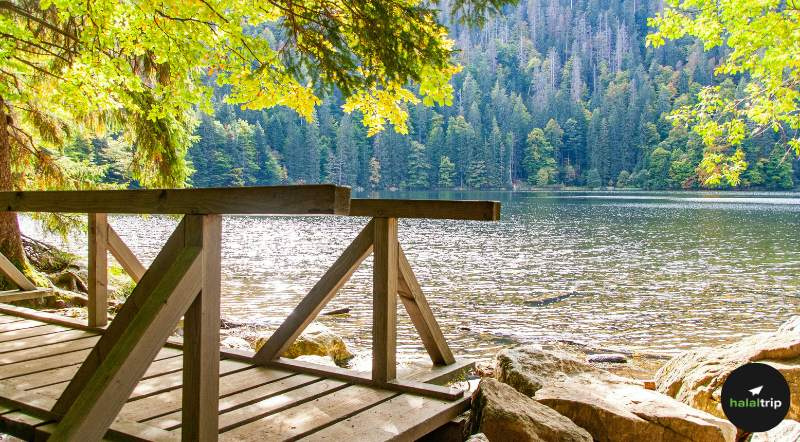
Germany is a land of profound natural beauty, offering landscapes that range from misty mountain peaks to dramatic coastal cliffs. For Muslim travelers, these wild spaces provide a perfect setting for tadabbur, or reflecting on the magnificence of creation. Because many of these national parks are located in more remote areas, it is wise to plan ahead. Bringing a stock of Halal snacks and a portable prayer mat will allow you to explore with peace of mind, ensuring you can nourish your body and fulfill your prayers regardless of how far you wander into the wilderness.
Curated from the Germany Halal Travel Guide, below are nine nature sanctuaries in Germany for you to explore and enjoy.
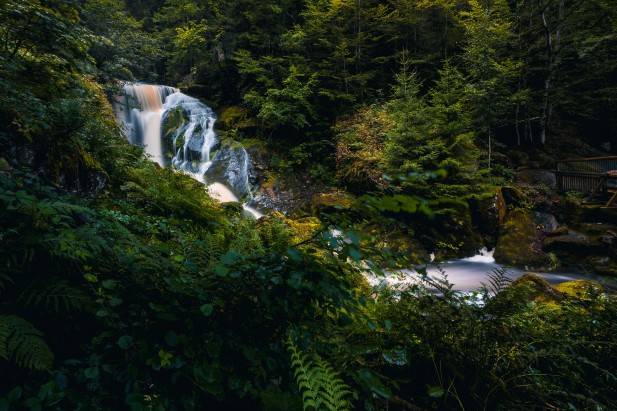
Image Credit: Timo Jeske on Unsplash
The Black Forest is perhaps Germany’s most iconic natural escape. Popular spots like the Triberg Falls, where water plunges down seven tiers, and the serene Lake Titisee offer breathtaking views. For a unique perspective, the treetop walk allows you to stroll among the canopy, while Feldberg Mountain provides a challenge for those seeking higher ground. While the forest feels worlds away, it is surprisingly accessible.
If you are starting your journey from the north, the stunning Yavuz Sultan Selim Moschee in Mannheim or the vibrant Muslim community in Heidelberg serves as an excellent gateway before you head into the deep green of the park.
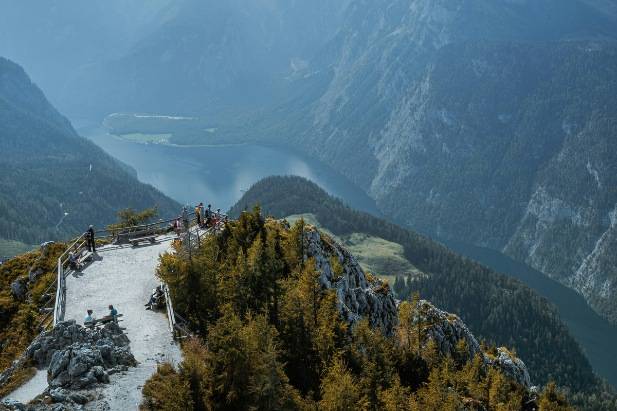
Image Credit: Philip Jahn on Unsplash
Located in the far south, Berchtesgaden is an alpine dream. With its crystal-clear lakes like Königssee and towering limestone peaks, it is a place that truly humbles the soul. The air here is crisp and pure, making it an ideal spot for a quiet mountain hike.
As this is a more rugged region, remember to pack a lunch and your prayer garments, as you may find the most beautiful prayer room is simply a quiet spot overlooking the emerald waters of the lake.
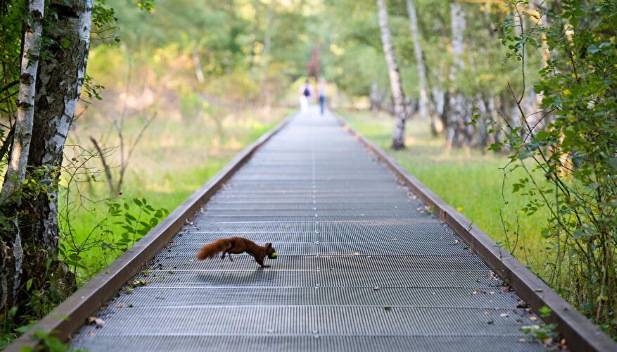
Image Credit: Berlin.de
For those wanting to take a nature break in Germany’s busy capital, this is where you should go. This unique park in Berlin is built on an old railway yard where nature has reclaimed the tracks. It is a haven for biodiversity, home to 30 bird species, 95 types of wild bees, and over 350 plant varieties.
It is a fascinating blend of industrial history and wild growth. Best of all, it is located just an 8 minute drive from the Şehitlik Mosque (Berlin Mosque), making it a perfect spot for a peaceful walk after Friday prayers.
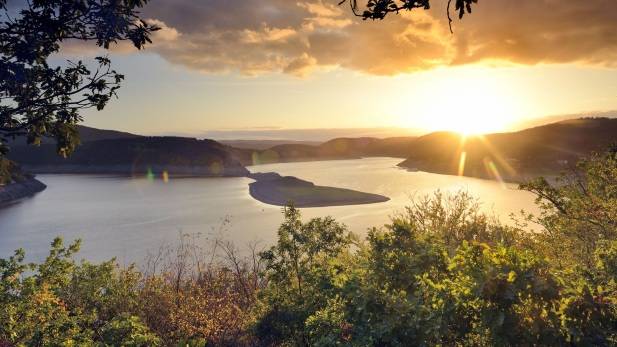
Image Credit: Germany National Tourist Board
This UNESCO World Heritage site is famous for its ancient, sprawling beech forests and the sparkling waters of Lake Edersee. Whether you are swimming, sailing, or fishing, the lake’s water is remarkably clear.
For those traveling by car, the DITIB Kassel Mattenberg Mevlana Moschee is roughly 40 minutes away, providing a convenient place to stop for prayer and a Halal meal before or after your day in the park.
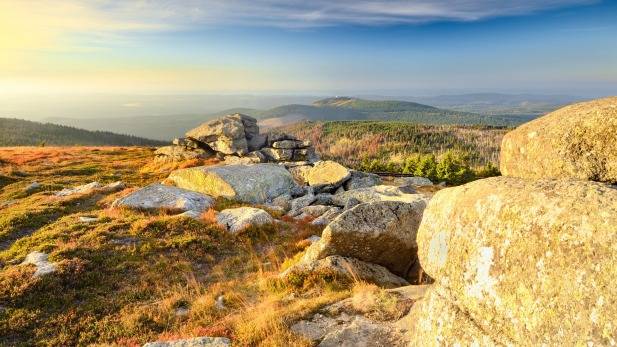
Image Credit: Germany National Tourist Board
The Harz is one of the largest forest national parks in Germany and serves as a vital habitat for over 10,000 species of plants and animals. Its misty forests and rugged granite rocks have inspired countless legends. Walking through these woods feels like stepping into a sanctuary where the only sound is the wind through the trees.
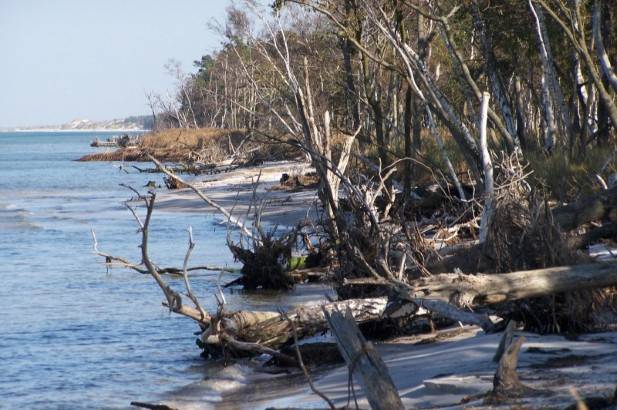
Image Credit: Chpagenkopf on Wikimedia Commons
This coastal park is defined by the Baltic Sea and its lagoons, dunes, and cliffs. It is a landscape of constant movement and change, yet also a serene place for you to enjoy the area’s unspoiled beauty.
If you visit between September and October, you can witness Central Europe’s largest crane resting site. Tens of thousands of these majestic birds gather here, a spectacular sight that reminds us of the incredible migrations designed into the natural world.
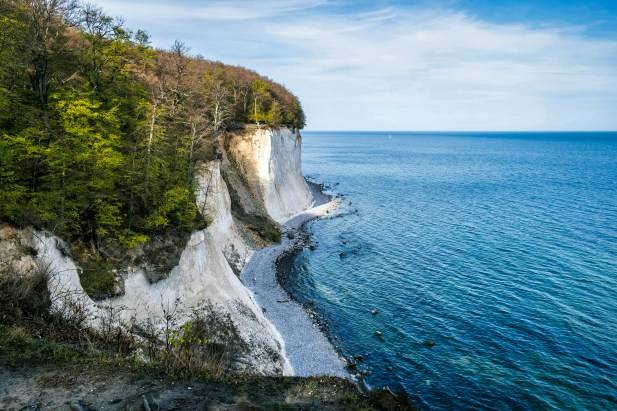
Image Credit: Krzysztof Płocha on Unsplash
Rising 118 meters above the Baltic Sea, the Königsstuhl chalk cliffs are a sight to behold. Part of Jasmund National Park, these towering white walls contrast beautifully with the ancient beech forests nearby.
The National Park Center also serves as the central contact point for visiting the cliffs and the surrounding UNESCO world heritage sites on the island of Rügen, making it an easy and inspiring day trip.
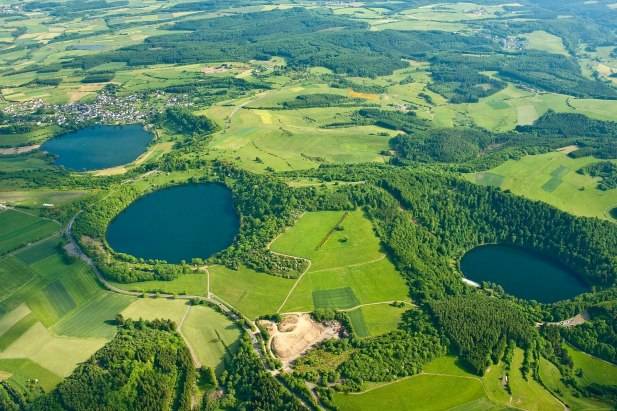
Image Credit: GesundLand Vulkaneifel
The Volcanic Eifel is a UNESCO Geopark that tells the story of the Earth’s fiery past. You can discover ancient craters, volcanic lakes known as Maars, and rugged rock formations along well-marked geological trails.
It is a powerful landscape that feels ancient and resilient. For Muslim travelers in the area, the Ham’d Moschee in Wittlich is about a 30 minute drive away, offering a welcoming space to pray and reconnect with the local Muslim community.
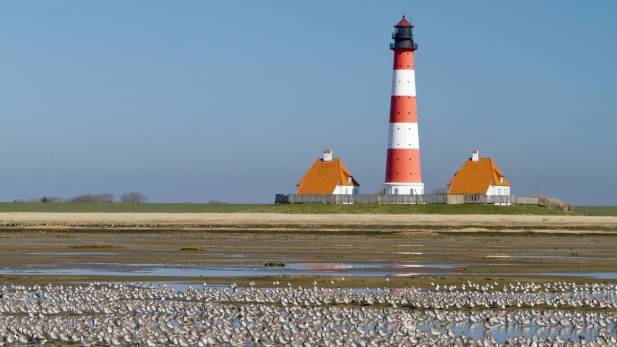
Image Credit: Germany National Tourist Board
This UNESCO World Heritage site is one of the most unique ecosystems on the planet. At low tide, the sea retreats to reveal a vast landscape of mudflats that you can actually walk upon. It is a place where the sky and sea seem to merge, perfect for a long, reflective walk while watching the seals and coastal birds forage in the distance.
Germany’s national parks offer more than just scenery; they offer a space for spiritual renewal. By preparing your Halal meals and keeping your prayer garments ready, you can embrace the "Pack & Pray" lifestyle and explore these breathtaking landscapes with ease. From the volcanic lakes of the Eifel to the white cliffs of Rügen, the beauty of the natural world is a gift waiting to be explored.
Discover even more picturesque nature destinations in Germany from our Germany Halal Travel Guide!


