
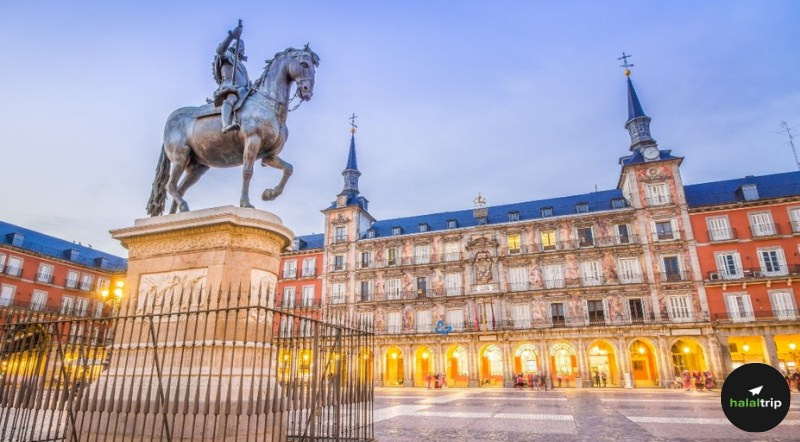
Madrid is a city that moves with confidence. It hums with art, history, and flavor, yet beneath its energy lies a quieter story. Long before it became Spain’s capital, Madrid began as Mayrit, an early Andalusi settlement whose spirit still lingers in the city’s name and design. Today, Muslim travelers can trace those early footsteps while enjoying a cosmopolitan city that welcomes faith and culture in equal measure.
Few visitors know that Madrid’s earliest identity was shaped during the era of Al Andalus. Founded in the ninth century, Mayrit grew around a fortress built to guard the northern frontiers of the Muslim world in Spain. Archaeological remains and ancient street patterns in the city center still whisper this story.
Many modern projects have begun reconnecting residents and travelers with this chapter of the city’s past. Through heritage walks and digital archives, these initiatives show how Islamic art and science once influenced the life of this now global capital.
The capital boasts a number of attractions for travelers. Here are a few highlights that you must not miss on your Madrid trip:
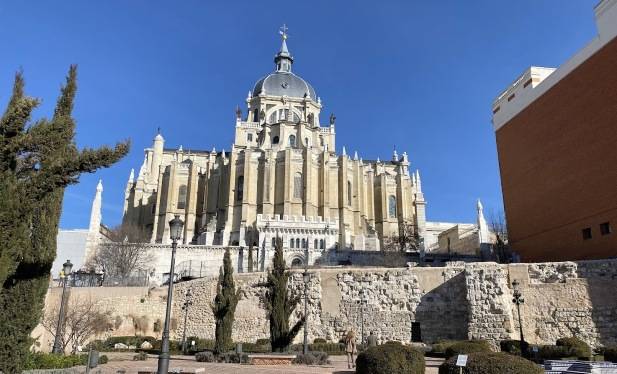
To truly understand Madrid's origins, one must begin at the Emir Mohamed I Park. Here stand the remains of the city's original 9th-century Islamic wall, a silent witness to the era when the city was a frontier fortress of Al-Andalus.
Walking along this 120-meter stretch of flint and limestone, you can see the "Toledo-style" masonry that once protected the citadel (Al-mudayna). It is a profound experience for Muslim travelers to stand at the very spot where the city’s first mosque once rose, marking the humble beginnings of what has now become a world-class capital.
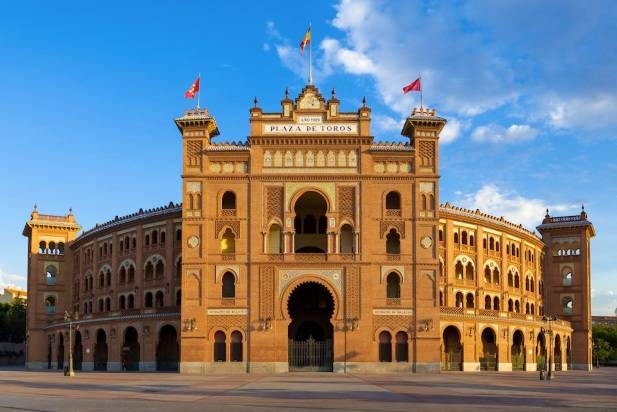
Madrid’s skyline is an architectural conversation between centuries. Old & New Mudéjar are two distinct architectural movements that define Madrid's visual identity. You can witness the "Old Mudéjar" style at the Church of San Nicolás or San Pedro el Viejo, where 14th-century bell towers—likely built by Muslim craftsmen—still mirror the design of Almohad minarets with their intricate brickwork and horseshoe arches.
Fast-forwarding to the 19th century, you’ll find the "Neo-Mudéjar" revival, seen in iconic spots like the Las Ventas Bullring or Casa Árabe. These later buildings adopted the geometric brick patterns and keyhole arches of the past, serving as a beautiful tribute to the enduring influence of Islamic aesthetics on Spanish identity.
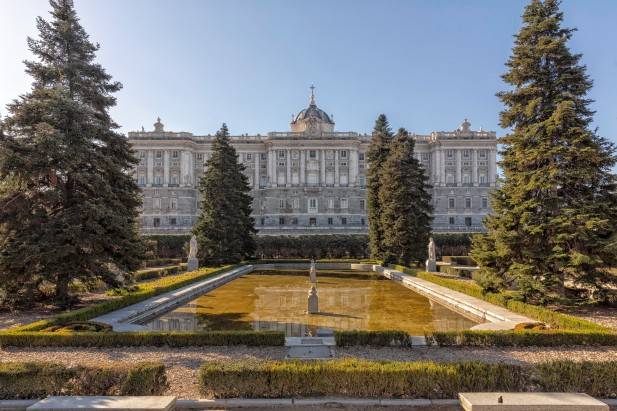
Image Credit: Álvaro López
While the current Royal Palace is a triumph of Baroque and Classical architecture, its history is deeply rooted in the Islamic past. It sits on the exact site of the original Muslim Alcázar (fortress), which served as the administrative heart of Mayrit for centuries. Today, as you tour its 3,000+ rooms, you are walking over the foundations of the Emir’s palace.
For a hidden gem, head to the nearby Plaza de Oriente underground parking, where you can actually see the ruins of an 11th-century Islamic watchtower preserved behind glass; a literal bridge between the medieval fortress and the modern palace.
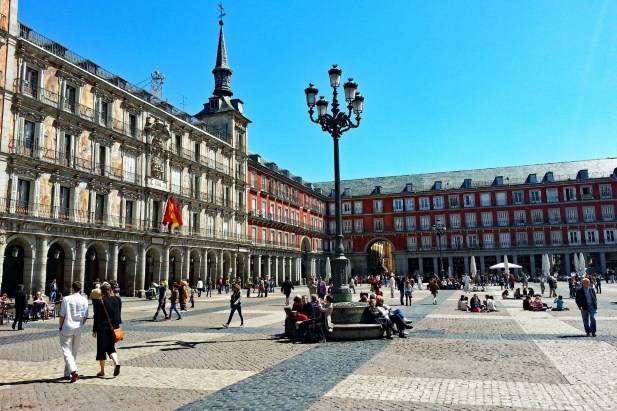
No visit to Madrid is complete without stepping into the grand, red-brick embrace of the Plaza Mayor. Though built in the 17th century long after the Reconquista, this square occupies the site of what was once the Plaza del Arrabal, the bustling marketplace outside the medieval city walls.
Today, the square represents the vibrant present of Madrid. It’s a perfect spot for Muslim travelers to enjoy the local atmosphere; many surrounding cafes offer traditional "Bocadillo de Calamares" (fried calamari sandwiches), a local staple that is naturally Halal-friendly and a delicious way to experience the city's culinary heart.
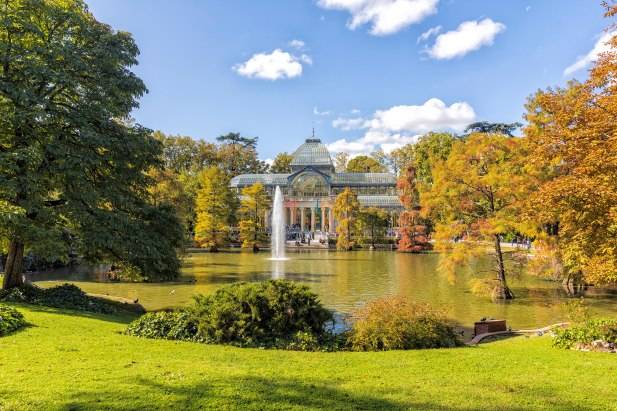
Image Credit: Álvaro López
Originally a royal retreat, Retiro Park is now the "green lung" of Madrid and a UNESCO World Heritage site. It offers a serene escape where history and nature meet. You can stroll through the Arab-inspired gardens or admire the Crystal Palace, a stunning glass pavilion reflecting in a peaceful lake.
For Muslim visitors, the park provides ample quiet spaces for reflection or a peaceful break between sightseeing. It’s also located near several Halal-friendly eateries in the Salamanca district, making it a perfect midday stop to relax under the shade of its 15,000 trees.
Madrid invites exploration at an easy pace. Visitors can spend a morning at the Royal Palace or the Islamic Wall, then rest under the chestnut trees of Retiro Park. In the night, Plaza Mayor keeps the city’s pulse alive with laughter, music, and light.
Madrid’s Halal scene continues to grow. Halal restaurants are mainly found in the city center of Madrid, particularly in the historic part of the city.
Here are a few recommended Halal restaurants for you to try:
For prayer, the M-30 Mosque, also known as the Centro Cultural Islámico de Madrid, welcomes both locals and visitors. Another mosque where you can have your prayer breaks is the Mezquita Central de Madrid, alternatively known as the Madrid Central Mosque.
After your day of exploration, be sure to spend your night at these Muslim-friendly hotels:
With your faith-based needs taken care of, you can focus on relaxing and travel Madrid with peace of mind.
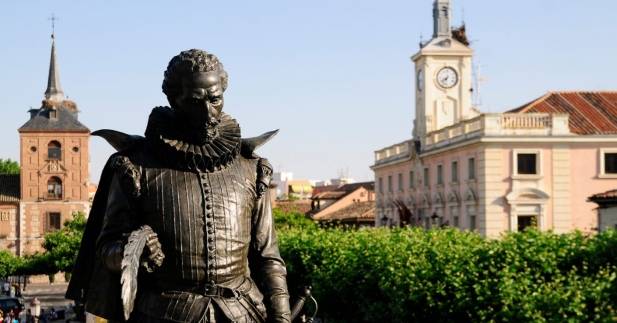
From Madrid, it is easy to explore nearby sites within the region that hold stories of their own. Three places have been recognized by UNESCO as World Heritage Sites for their extraordinary monumental or scenic beauty:
Madrid may be grand in size, but its heart feels personal. Its history speaks of exchange and discovery, and its people welcome travelers as guests, not outsiders. For Muslim visitors, it is a place where the past and present walk hand in hand, offering both comfort and curiosity.
Plan your Madrid adventure with the Halal Travel Guide to Spain. Download it and discover more of Madrid's wonders!

