
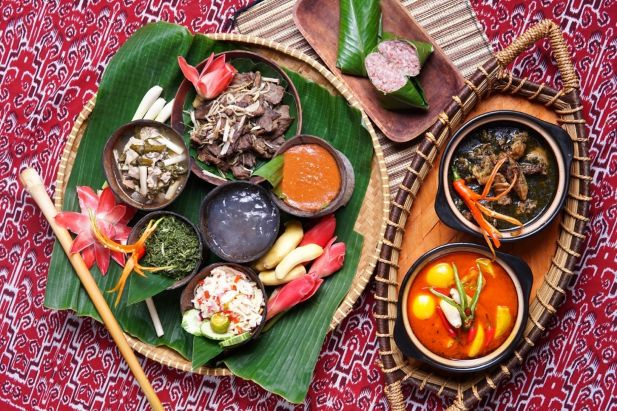
Step into Kuching, where the air hums with the scent of coconut, lemongrass, and adventure. As Malaysia’s only UNESCO City of Gastronomy, Kuching isn’t just a place to eat, it’s a place to connect. Here, every dish reflects generations of harmony between traditional Indigenous, Malay and Chinese recipes. Whether you’re savoring a bowl of spicy Sarawak laksa or tasting kek lapis by the riverside, Kuching invites you to explore its heart through Halal-friendly flavors. In this guide, you’ll find the top dishes to try, where to find them, and tips to plan your culinary journey through Kuching with confidence.
Kuching became Malaysia’s first UNESCO Creative City of Gastronomy in 2021, a recognition of its vibrant culinary ecosystem and deep respect for cultural diversity. But beyond the title lies a living kitchen shaped by thirty-four ethnic groups, each contributing a piece of Sarawak’s story to the table.
The city’s food heritage is as lush as the land that feeds it. Local markets overflow with jungle produce, wild ferns, bamboo shoots, and fragrant herbs, all symbols of Sarawak’s connection to nature. The mix of Malay, Chinese, Dayak, and Indian influences creates a culinary identity that is uniquely Sarawakian, proudly Malaysian, and warmly Halal-friendly.
Kuching’s gastronomy is a reflection of balance, between people and nature, tradition and innovation, faith and flavor. It is this balance that gives the city its soul, inviting travelers to slow down, savour each bite, and listen to the stories behind each dish.
From aromatic broths to bamboo-cooked specialties, here are five signature dishes that capture the city’s soulful blend of tradition and creativity, inviting you to taste the very essence of Malaysia’s UNESCO Creative City of Gastronomy.
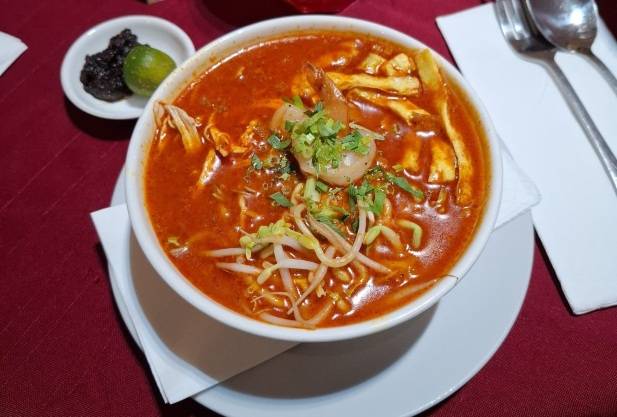
Sarawak Laksa is often described as the soul of Kuching’s cuisine. It is a comforting bowl that captures the heart of the region’s diverse heritage. This laksa features a rich, aromatic broth made from a unique blend of spices, sambal belacan, and coconut milk. It’s typically served with rice vermicelli, shredded chicken, prawns, and a squeeze of lime for brightness. Many local eateries offer Halal-certified versions, making it easy for Muslim travelers to enjoy this beloved dish just as the locals do.
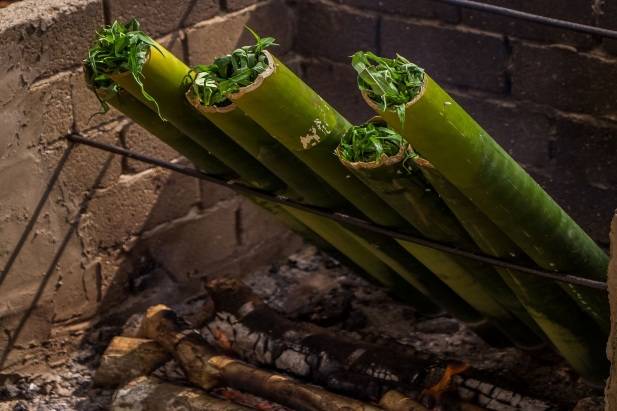
Image Credit: Sarawak Tourism Board
Originating from the Iban community, Ayam Pansuh is one of Sarawak’s most cherished traditional dishes prepared by cooking marinated chicken with lemongrass, ginger, and tapioca leaves inside a bamboo tube over an open fire. The result is tender, aromatic meat infused with natural smoky flavors; a taste of Borneo’s rainforest heritage. With its comforting mix of herbs and rich chicken broth, this dish feels like a bowl of your mother’s cooking, the kind that warms you from the inside out when you’re feeling under the weather.
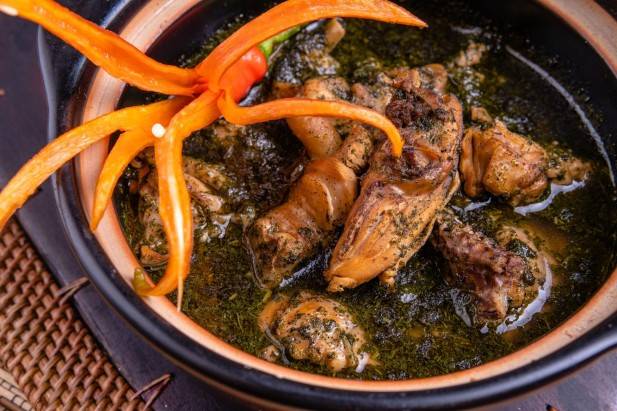
Image Credit: Sarawak Tourism Board
A dish deeply tied to Sarawak’s heritage, Kacang Ma is a comforting chicken stew cooked with motherwort leaves, ginger, and rice wine in its traditional form. For Muslim diners, Halal versions replace the wine with broth or ginger tea, keeping the same warmth and healing aroma. Locals often describe it as food that strengthens both body and spirit, a dish shared in homes during family gatherings and times of rest.
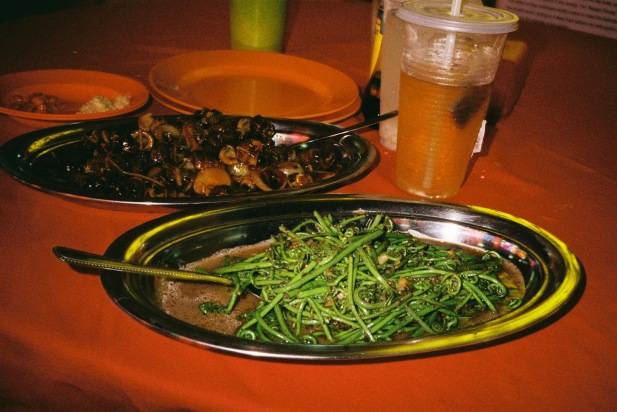
Image Credit: Cecelia Chang on Unsplash
Found only in the jungles of Sarawak, Midin is a tender green fern stir-fried quickly with garlic and soy sauce. It is crisp yet delicate, a taste of the rainforest on a plate. Many Muslim-friendly restaurants prepare it with Halal ingredients, keeping its natural freshness as the star.
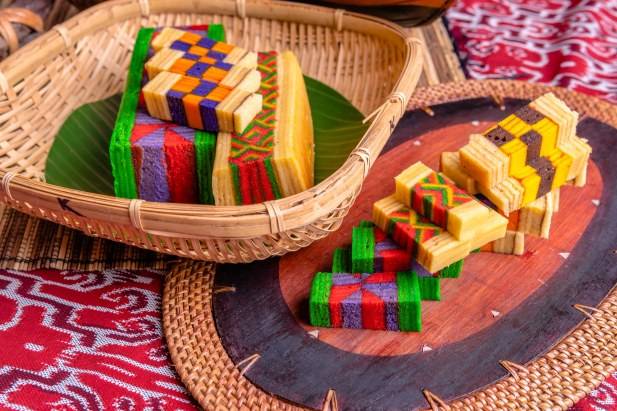
Image Credit: Sarawak Tourism Board
No visit to Kuching is complete without a slice of this colorful layered cake. Its intricate patterns mirror Sarawak’s cultural diversity, while its sweetness reflects the warmth of its people. It comes in many delightful flavors, from rich chocolate and vanilla to pandan, cheese, and local fruit blends. Often prepared in Halal home bakeries, it is a beloved souvenir that carries the spirit of Sarawak long after the journey ends.
After discovering Kuching’s signature dishes, it’s time to explore where you can enjoy them firsthand. From Halal restaurants to family-run eateries serving traditional recipes, these dining spots let Muslim travelers experience the city’s authentic Sarawakian flavors while staying true to their faith.
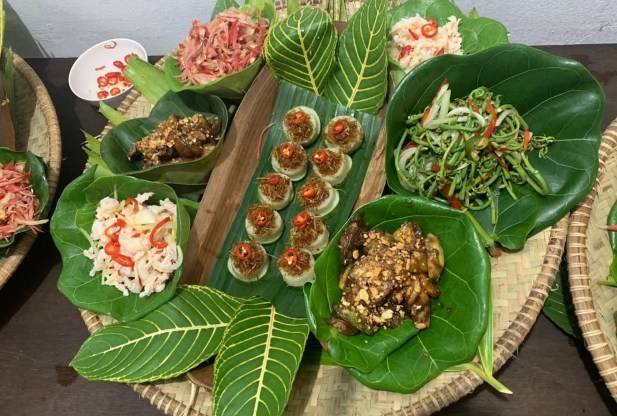
Image Credit: The Lamin on Facebook
Located in the heart of Kuching, The Lamin Restaurant offers a true taste of Sarawak’s culinary heritage in a cozy, rustic setting. Known for its authentic Indigenous and Malay dishes, the restaurant highlights local favorites such as Ayam Pansuh, Midin Belacan, and Umai, all prepared using Halal ingredients. Its welcoming atmosphere and commitment to traditional recipes make it a must-visit spot for Muslim travelers eager to experience Borneo’s flavors in a Halal-friendly way.
Instagram | Facebook | Google Maps

Image Credit: Lepau Restaurant on Facebook
Lepau Restaurant is one of Kuching’s most celebrated dining spots, offering a refined introduction to authentic Sarawakian cuisine in a warm, cultural setting. The restaurant is known for serving Halal Indigenous dishes such as Fish Umai, Sup Terung Asam Ikan Salai, and Manok Kacangma, all prepared using traditional recipes passed down through generations. With its bamboo-inspired décor and heartfelt hospitality, Lepau provides Muslim travelers with both a culinary and cultural experience that beautifully captures the essence of Sarawak.
Instagram | Facebook | Google Maps
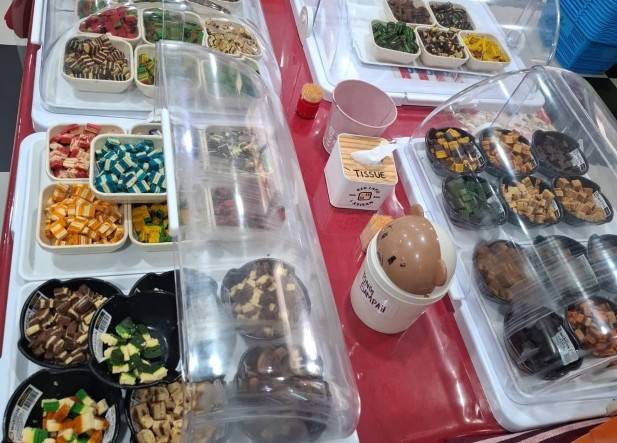
Among Kuching’s many culinary treasures, Kek Lapis Warisan stands out as a must-visit for anyone with a sweet tooth. Located along the Kampung Gersik waterfront, this family-run bakery offers 39 different flavors of beautifully layered cakes, from classic pandan and chocolate to creative local blends. Visitors are welcome to sample every flavor for free before choosing their favorites. All cakes are Halal-certified and freshly made, making them a perfect souvenir for Muslim travelers to bring home as a sweet reminder of Kuching’s vibrant food culture.
Instagram | Facebook | Google Maps
What makes Kuching’s culinary scene so mesmerizing is its combination of three aspects; natural ingredients, warmth of the people, and its inclusiveness for Muslim travelers. In this city, food and nature share the same heartbeat. The rainforest gives generously, offering bamboo for cooking, jungle herbs for healing, and wild ferns like Midin for nourishment. Morning markets burst with the colors of this abundance, where vendors arrange fresh turmeric, lemongrass, and torch ginger in woven baskets.
This deep connection to the land shapes the way locals cook and eat. Nothing is wasted, and everything has a purpose. For travelers, tasting these ingredients is like tasting Sarawak itself, alive with freshness and gratitude. It is a gentle reminder that sustainable living is not a trend here, but a way of life passed down through generations.
Kuching locals’ strong bond with nature is reflected through their warmth. A meal here often begins with conversation and ends with laughter, and travelers are quickly folded into the rhythm of community. You might meet a hawker who proudly tells you their Laksa recipe has been in the family for fifty years, or a young baker who learned to make Kek Lapis beside their grandmother during Eid. These stories turn meals into memories. They remind travelers that in Kuching, food is love served daily, a language spoken fluently across faiths and cultures.
Lastly, this capital city welcomes Muslim travelers with open hearts and open kitchens. Most eateries display clear Halal signage, and many are Muslim-owned. Prayer facilities are common near major attractions and shopping areas, and locals are always happy to guide visitors to the nearest mosque or surau.
To experience Kuching’s food culture fully, explore both sides of the Sarawak River. Visit the lively weekend markets, try breakfast at a Malay café, then cross to a riverside stall for Laksa or Midin. Travel light, keep an open heart, and let each meal tell you a little more about the city’s soul.
As the evening call to prayer drifts across the river, the city slows, the lights of the hawker stalls glimmer, and the air fills once again with the scent of coconut, herbs, and laughter.
Kuching feeds more than hunger; it nourishes connection and gratitude. Every bite carries the kindness of its people and the spirit of the land that sustains them. For Muslim travelers, discovering Kuching is not just about tasting new food, but about finding familiarity in a faraway place. Here, every meal feels like a blessing, and every flavor tells the story of home.
Banner image credit: Sarawak Tourism Board

