
Macao holds a unique place in history as the first and last European holding in China. Under Portuguese rule from 1557 until 1999, the city became a living gallery of Mediterranean influence. Today, walking through its cobblestone streets feels like a trip to Lisbon, yet the spirit of China remains beautifully intertwined. Curated from the Macao Halal Travel Guide, here is how you can experience this seamless blend of cultures.
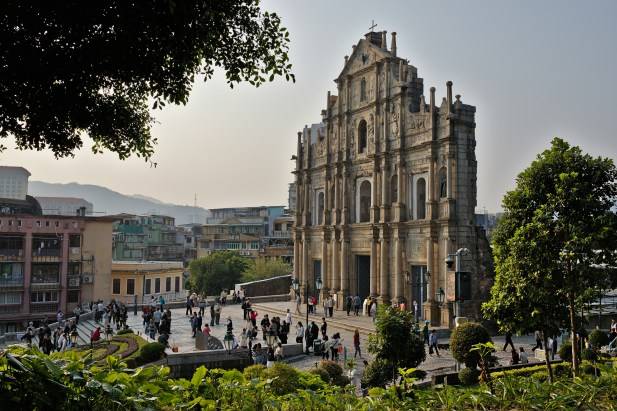
Image Credit: Chromatograph on Unsplash
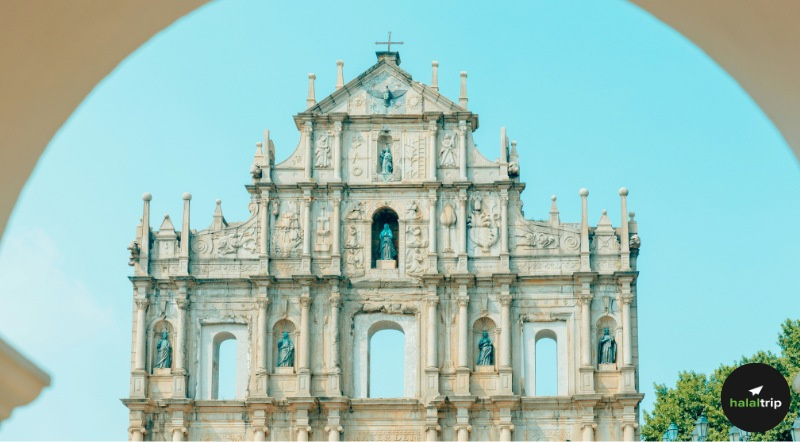
Start your journey at the Ruins of St. Paul’s, the iconic 17th-century stone facade of what was once the largest Catholic church in Asia. Although the original building was destroyed in 1835, you can still feel and admire the Baroque design of it; and if anything, it actually adds a unique charm to the site.
Just a short walk away is Senado Square, a UNESCO World Heritage site paved with traditional Portuguese wave-patterned mosaics. The pastel-colored buildings and central fountain make it the perfect spot for photography. It is also lined with various shops, street vendors, and Halal restaurants nearby; perfect for your leisure walk.
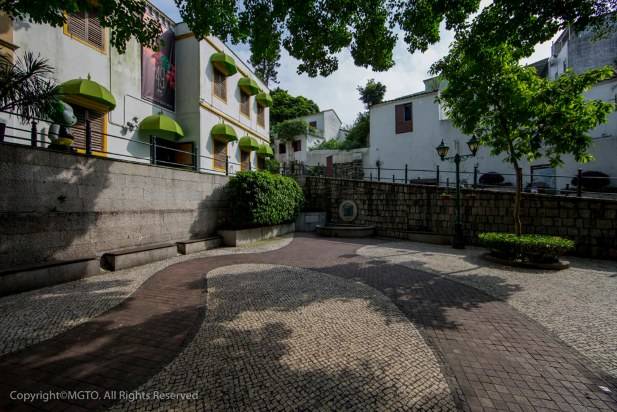
Image Credit: Macao Government Tourism Office
For a quieter experience, head to the St. Lazarus’ District, known for its narrow alleys of historic and colorful buildings, and creative atmosphere for its art exhibits, pop-up markets, and cafés.
Nearby, Lilau Square reflects the early Portuguese settlements with its Mediterranean-style fountains and banyan trees; a true hidden gem for those seeking "Little Europe." This beautiful park was once a crucial water source to the locals.
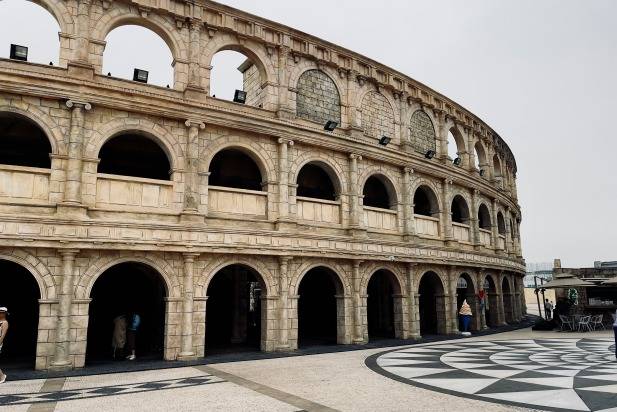
Image Credit: Kevin Xing on Unsplash
If you want to see a replica of the Roman Colosseum alongside European-themed boutiques, Fisherman’s Wharf is a waterfront destination that brings continental architecture to the Macao docks.
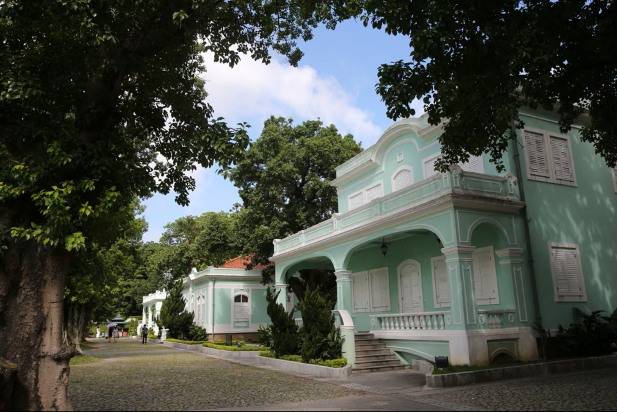
Image Credit: Macao Government Tourism Office
The Taipa Houses are five bright green Portuguese-style villas that once housed colonial officials. They now serve as museums overlooking a serene lake. It is considered one of the primary attractions of the city for its beauty and heritage.
Further south, Coloane Village offers a slower pace; this traditional fishing village is famous for its colorful graffiti murals, narrow lanes, and traditional atmosphere.
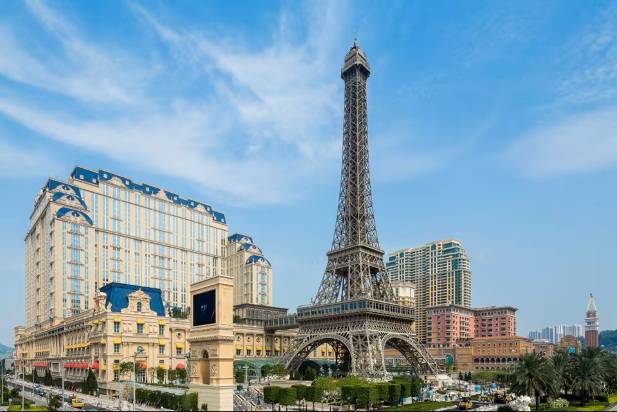
Image Credit: Macao Government Tourism Office
For a modern take on European luxury, visit the Eiffel Tower Observation Deck at The Parisian, a breathtaking half-scale replica of the original. Admire the picturesque views of Macao and the Cotai Strip from a height of 162 meters, and don’t miss its dazzling light shows!
Afterward, find a moment of peace at the Jardim Secreto (Secret Garden) at Grand Lisboa Palace, a perfectly manicured European-style garden complete with romantic gazebos and a grass maze.
Macao is increasingly dedicated to welcoming Muslim travelers with accessible prayer facilities and high-quality dining.
Located on the Macao Peninsula, the Islamic Mosque and Cemetery is the spiritual heart of the local community. It serves as a quiet sanctuary for prayer and holds deep historical significance, with graves dating back centuries. The mosque itself was built in the 1980s by Muslims from the Portuguese army, mainly coming from Goa or Mumbai. It is the perfect place to go for your prayer breaks and to connect with the local Muslim community.
Top Halal Dining Picks:
Besides serving Halal and authentic spoonfuls of mouth-watering dishes, the four restaurants also offer a dedicated prayer space that would be available upon request.
Macao proves that you do not need to fly to Europe to experience Mediterranean charm. With its UNESCO-listed landmarks, vibrant Halal food scene, and the welcoming atmosphere of its local mosque, Macao offers a travel experience that is as culturally rich as it is spiritually convenient.
Eager to discover more? Download our free Macao Halal Travel Guide now and get ready for a trip of a lifetime!

