
The final whistle blows, and the stadium transforms instantly into a wall of thunderous sound. Lights flash, cameras zoom in on weeping fans, and players sprint across the grass in an explosion of pure adrenaline. It is the definitive image of modern sports triumph; a chaotic release of human emotion watched by hundreds of millions of people across the globe.
Yet, amidst the overwhelming noise and flashing stadium lights, a completely different scene has begun to redefine the global tournament. Rather than jumping over the advertising boards or sliding on their knees toward the corner flags, entire squads of Muslim athletes choose to stop. They come together, drop to their knees, and bow their heads until their foreheads touch the grass. In the middle of the most chaotic moment of their professional lives, they enter into a collective, quiet space of prayer.
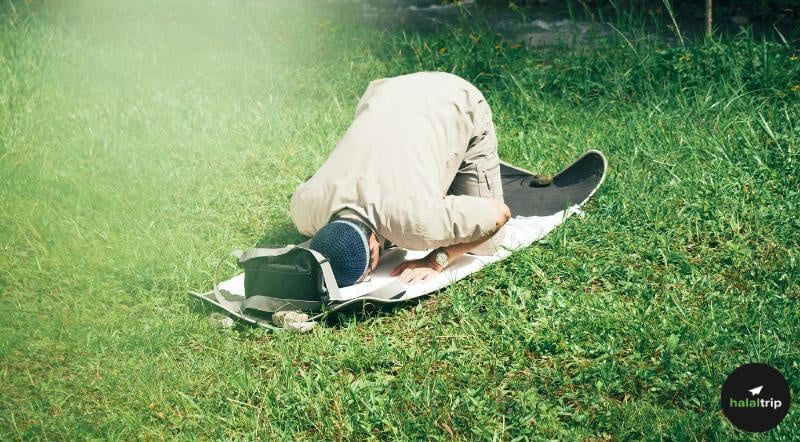
This act of performing sujood, the traditional Islamic prostration of thankfulness, has become one of the most compelling visual narratives of modern football. It is a moment that transcends the simple mechanics of sport, echoing deeply far beyond the stadium walls.
For young Gen Z and millennial Muslim fans watching from living rooms in London, apartments in Toronto, or crowded cafes in Algiers, seeing the sujood performed live on international television is an intensely moving experience.
Historically, minority communities have often felt pressure to minimize or hide public markers of their faith to fit into mainstream spaces. Seeing world class athletes celebrate their highest professional achievements by leaning unapologetically into their identity changes the narrative completely. The pitch ceases to be merely a space for athletic competition; it becomes a grand stage where their daily faith is normalized and treated with dignity.
When a player bows on the grass, a global generation of young diaspora Muslims sees their own daily reality reflected back at them with immense beauty. It provides a profound sense of validation, reminding them that they never need to compromise who they are to achieve greatness on the global stage.
Beyond its power as a symbol of cultural representation, the sujood carries a psychological significance that challenges the very nature of modern celebrity culture. In elite sports, victory is almost always framed around the individual ego, focusing on personal brilliance, records broken, and tactical superiority.
The act of prostration subverts this dynamic entirely. By placing the highest part of the body, the forehead, flat onto the earth, the athlete makes a conscious choice to step out of the spotlight. It is a physical declaration that they are not the ultimate creators of their own success.
“Believers, bow down and prostrate yourselves before Your Lord and serve Your Lord and do good that you may prosper.” (Al Hajj 22:77)
This verse illustrates a timeless truth that shapes the mindset of these athletes; true prosperity and victory are never isolated products of personal pride. Instead, genuine success is permanently anchored in absolute humility and recognition of the Creator.
Stepping away from personal praise to offer instant thankfulness serves as a significant demonstration that the ultimate response to achieving your greatest dream is to remain humble.
Whether you follow the tactical nuances of the sport or have never watched a full match in your life, the sight of a team unified in thankfulness hits a deeply human chord. It reminds travelers and fans alike that our journeys, no matter how fast paced or high profile they become, must always have space for reflection.
The sujood on the pitch is a beautiful reminder that even when you reach the absolute peak of global success, the most powerful stance you can take is one of gratitude.

