
Every day across the globe, millions of people hear the familiar clinking of ice cubes into plastic cups, watch sweet brown sugar swirl against creamy milk, and pierce a plastic seal with an oversized straw. Milk tea has become an undeniable global phenomenon, fueling street queues from London to Jakarta.
Long before it became an Instagram favorite or a late night dessert, milk tea was a vital drink born out of trade, necessity, and cultural exchange. To truly understand its soul, one must follow the trail back through time and geography: from the misty tea forests of Yunnan, through the bustling retro cafes of Hong Kong, to the lively night markets of Taipei.
For curious Muslim travelers, tracing this journey offers more than delicious drinks. It is an invitation to discover centuries of shared Asian heritage, historic Muslim communities, comforting Halal cuisine, and prayer spaces tucked into some of the most vibrant corners of East Asia.
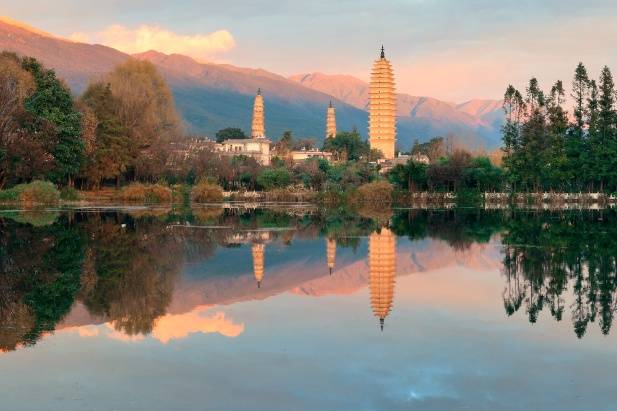
Image Credit: Magnific
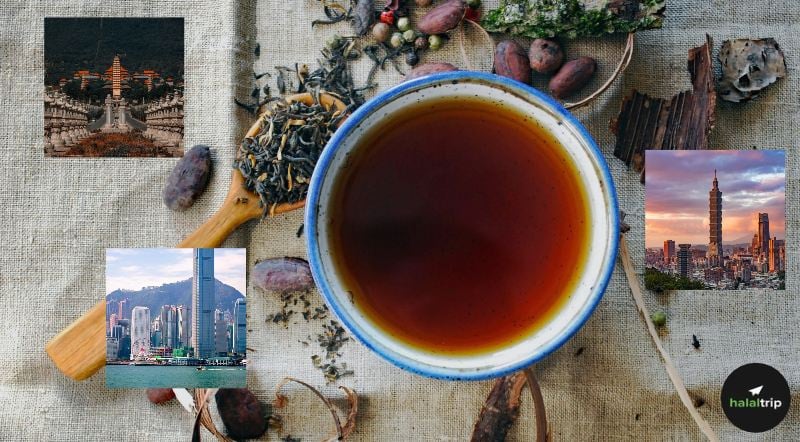
The journey begins in the southwestern province of Yunnan, where lush mountains hold tea trees that have stood for over a thousand years. This region is the birthplace of tea, where wild Camellia sinensis was first plucked and cured.
Centuries ago, merchant caravans traversed the treacherous mountain paths of the Ancient Tea Horse Road, known locally as the Chamagudao. Caravaneers carried tightly compressed bricks of aged, fermented Pu'er tea across high mountain passes, trading them for Tibetan warhorses.
Out in these freezing mountain altitudes, drinking plain steeped leaves was simply not enough. Nomadic travelers and local mountain tribes began combining dark, earthy tea brews with rich yak butter, fresh milk, and a pinch of salt. Churned in wooden cylinders, this rich drink provided warmth, calories, and hydration against the cold alpine winds. It was, in every sense, the world’s very first milk tea.
Today, visitors wandering the cobblestone lanes of historic Yunnan towns like Dali and Lijiang can experience an enchanting modern echo of this ancient tradition: roasted clay pot milk tea.
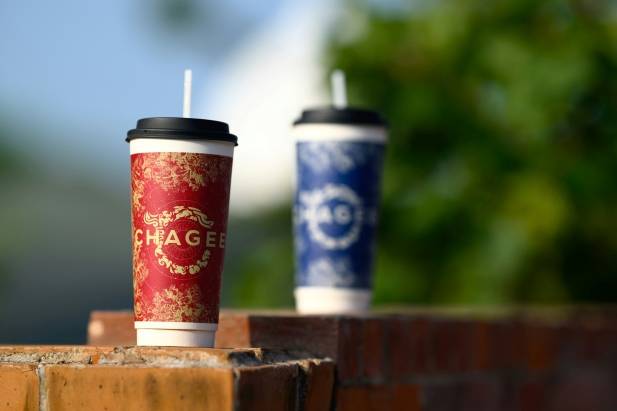
Image Credit: Declan Sun on Unsplash
To experience authentic roasted milk tea in Yunnan, make your way to Dali Ancient Town. Along Renmin Road and Bo'ai Road, small tea shops invite travelers to sit on low bamboo stools around small charcoal hearths. Here, tea masters slowly roast dark Pu'er leaves in terracotta jars before frothing fresh local milk into the vessel, creating a soothing beverage with a distinct campfire aroma.
If you are exploring Kunming, wander through the historic Shuncheng Muslim Quarter. Just steps away from the majestic gates of the Shuncheng Mosque, you will find independent tea stalls serving clay pot roasted milk tea paired with fresh walnuts and roasted sunflower seeds. After prayers in the courtyard of the mosque, sit down at a neighboring Halal Qingzhen restaurant for a steaming bowl of hand-pulled beef noodle soup or hot braised mutton hot pot.
For a taste of how modern Yunnan reimagined this heritage for the world, visit Chagee. While modern travelers recognize the brand across major Asian capitals, Chagee was born right here in Yunnan in 2017. Inspired by ancient tea culture and the historic trade routes, they specialize in pairing freshly brewed whole-leaf teas like jasmine and Pu'er with pure fresh milk, offering a refreshing contemporary stop between historic explorations.
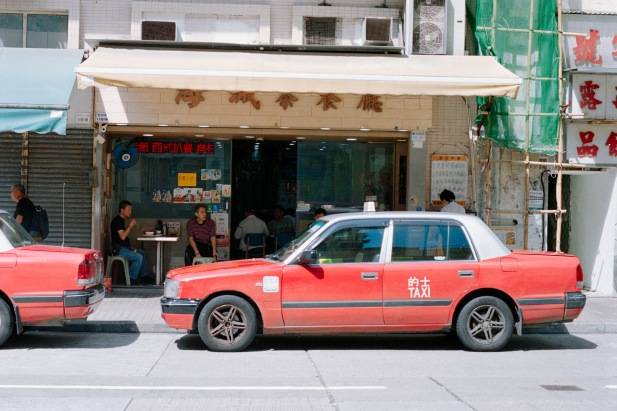
Image Credit: Zhen Yao on Unsplash
Traveling downstream along the trade routes brings you to the neon streets of Hong Kong, where milk tea underwent a working class transformation. During the British colonial era, afternoon tea was an aristocratic privilege enjoyed primarily in luxury hotels, served with delicate china, loose leaf Ceylon tea, and fresh milk. For ordinary local laborers, dockers, and clerks, fresh dairy was an expensive luxury.
Following the Second World War, humble neighborhood diners known as cha chaan tengs and open-air street stalls called dai pai dongs began crafting their own version of afternoon tea. Instead of expensive fresh milk, they turned to shelf-stable evaporated milk and sweet condensed milk, blending it with an affordable mixture of broken Ceylon black tea leaves.
To extract maximum flavor without lingering bitterness, tea masters developed a technique. The boiling brew is poured back and forth multiple times through a long cotton sack. Over weeks of daily brewing, the white cloth absorbs the deep amber color of the tea, earning it the famous nickname: silk stocking milk tea.
The result is legendary: a drink so velvety, thick, and aromatic that it coats the palate like liquid silk. Another iconic local creation is Yuenyeung, a combination of three parts drip coffee and seven parts milk tea that perfectly captures Hong Kong’s relentless urban energy.
While traditional neighborhood cafes frequently feature pork dishes, Muslim travelers can experience authentic Hong Kong tea culture with absolute peace of mind.
Head to Chrisly Cafe in Wan Chai, which features a dedicated Halal-certified bakery section in its kitchen. You can order a glass of their signature silk stocking milk tea alongside freshly baked egg tarts and warm pineapple buns served with a thick slice of butter.
Another essential stop is the Islamic Centre Canteen, located on the fifth floor of the Osman Ramju Sadick Islamic Centre inside Ammar Mosque in Wan Chai. Famous throughout Asia for its verified Halal Cantonese dim sum, the canteen also serves freshly strained milk tea and comforting cups of hot Yuenyeung.
Coordinating prayers around your tea trail in Hong Kong is effortless. You can pray at Ammar Mosque right after your meal, or visit the historic Jamia Mosque in Central and the expansive Kowloon Mosque right across the harbor in Tsim Sha Tsui.
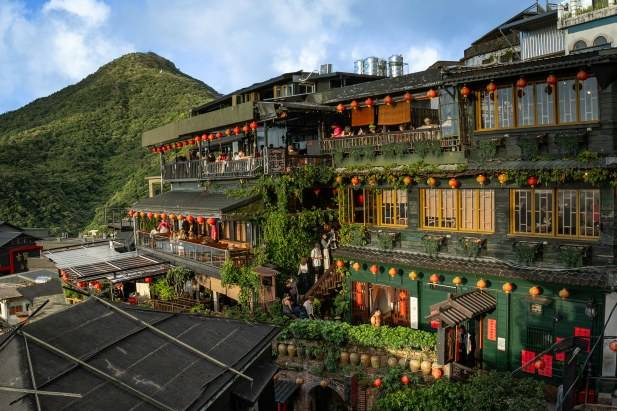
Image Credit: Alexandra Tran on Unsplash
Cross the Taiwan Strait to Taipei, and the milk tea story enters its most playful and innovative chapter. In the 1980s, Taiwanese teahouse owners began experimenting with modern beverage craft. Inspired by Japanese cocktail culture, baristas poured sweetened tea and condensed milk over crushed ice, vigorously shaking the blend in stainless steel cocktail shakers. The shaking created a frothy layer of tiny microfoam bubbles on top, giving birth to the name bubble tea.
The true breakthrough, however, occurred when creative tea makers decided to drop cooked tapioca pearls into the glass. Known in Taiwanese as fenyuan, these dark, chewy spheres made from cassava root added a delightful texture that transformed drinking tea into an edible snack.
Today, Taiwan has elevated milk tea into an artisanal craft. Rather than relying on artificial powders, modern Taiwanese tea shops source exceptional leaves. Walk into a boutique teahouse in Taipei, and you will be asked to choose between roasted Tieguanyin, floral Alishan high mountain oolong, or honey-scented Sun Moon Lake black tea, before customizing your preferred sweetness and ice level.
The beloved brown sugar boba milk takes this craft further, cooking tapioca pearls in dark Okinawa-style brown sugar until warm and glossy, pouring them into cold fresh milk to create tiger stripes down the side of the glass.
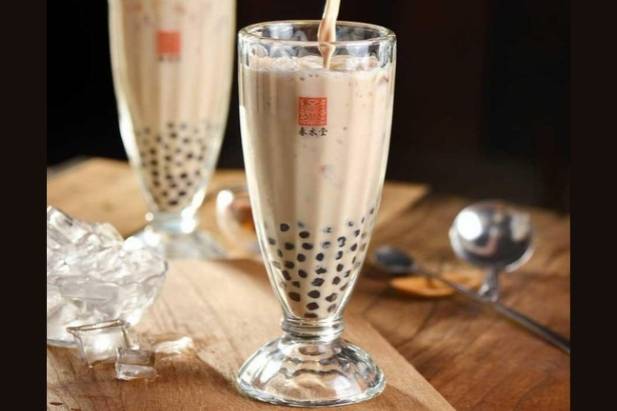
Image Credit: Chun Shui Tang
Your first stop in Taipei should be Chun Shui Tang, the historic teahouse credited with inventing bubble tea. Their branch located inside the Shin Kong Mitsukoshi department store near Taipei Main Station offers a relaxed setting where you can sip their original hand shaken iced milk tea with tender tapioca pearls.
For travelers who appreciate artisanal brewing, visit Chicha San Chen in central Taipei. This sleek tea house uses patented teapresso machines to extract fresh tea leaves to order, letting you pair award-winning Alishan oolongs with warm, honey-glazed boba pearls and fresh milk.
Taiwan has actively developed one of the most welcoming Muslim-friendly travel environments in East Asia. The majority of reputable tea shops use pure cassava starches, vegetarian ingredients, and fresh dairy, making boba tasting worry-free.
For dining, you can pair your boba with a bowl of certified Halal Taiwanese braised beef noodles in Da'an, certified by the Chinese Muslim Association. When prayer time arrives, the Taipei Grand Mosque on Xinsheng South Road is only a short taxi or MRT ride away, offering peaceful green courtyards and spacious prayer halls.
Tracing milk tea from the ancient mountain paths of Yunnan, through the energetic diners of Hong Kong, to the lively night avenues of Taipei shows that this humble drink has always been about bringing people together.
It is a living reminder that cultures do not exist in isolation; they borrow, adapt, and elevate one another across borders and eras. For the Muslim traveler, following this liquid trail is a celebration of history, community, and delicious discovery, one comforting sip at a time.

