
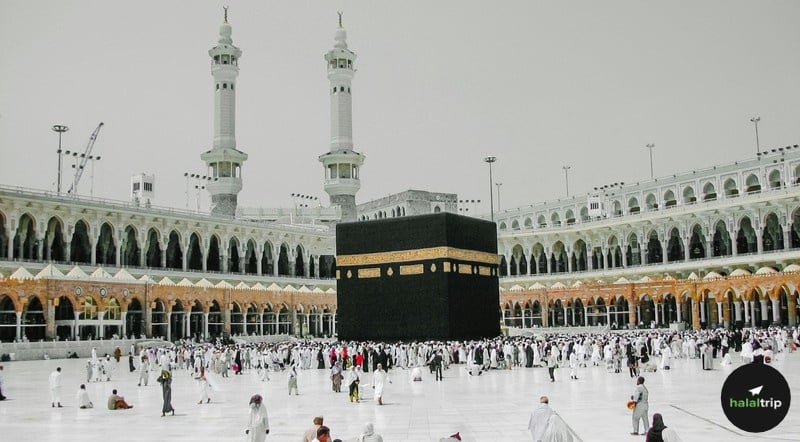
Image Credit: Sam Riz on Unsplash
Before stepping onto the cool white marble courtyard of Masjid al Haram or beholding the majestic cloth of the Holy Kaaba, visitors have to take note of the regulations, as the administrative road to Makkah and Madinah continues to evolve. Saudi Arabia’s Ministry of Hajj and Umrah has refined its digital platforms to create a safer and more orderly pilgrimage experience.
For travelers preparing their journey this season, these regulatory updates introduce two major changes that could impact your travel timelines: the mandatory Nusuk booking requirement before visa approval, and a shortened thirty-day window to enter the country once your visa is issued.
Understanding how these rules work together will protect your plans from unexpected cancellations, allowing you to focus entirely on your worship and reflection.
In past seasons, many independent travelers followed a familiar sequence: apply for an Umrah visa first, wait for the document to arrive, and take their time browsing airlines, hotels, and local ground transportation. This season, travelers have to change that sequence. Under updated guidelines, Saudi authorities enforce a firm policy: an Umrah visa will not be granted without pre confirmed bookings already registered in the official system.
Before an Umrah visa application can be approved, pilgrims must secure a verified package through the official Nusuk platform or via licensed Umrah operators who coordinate directly with Nusuk. This package must include confirmed hotel accommodations in both Makkah and Madinah with valid Booking Reference Numbers, along with pre-booked ground transportation covering airport transfers and intercity travel. Independent, unverified bookings or generic third party hotel reservations that lack an official Nusuk reference number are no longer accepted for visa processing.
While this requirement might feel like extra paperwork at first glance, it serves an important purpose. The policy eliminates unlicensed street operators, guarantees that families are not stranded without lodging during peak holiday periods, and ensures reliable, air conditioned transport is waiting for you as soon as you clear airport customs.
The second major shift involves how travel calendars must be calculated. In previous years, pilgrims often received an entry visa valid for ninety days, giving them plenty of flexibility to secure their paperwork early and travel months later.
Today, the rules require much tighter calendar coordination. Once your Umrah visa is issued, you must enter Saudi Arabia within exactly thirty days of that issuance date. The countdown begins on the day the visa document is generated, not on the day you book your flight or board your plane.
This has created what many travel coordinators call the early application trap. If you apply for your Umrah visa two or three months before your planned departure to get it out of the way, your visa will quietly expire while you are still packing your bags at home. Arriving at the airport with a lapsed visa will prevent you from boarding your flight, requiring you to forfeit your application and reapply from scratch.
It is equally important to understand the crucial difference between your entry validity and your permitted stay duration. The thirty-day rule governs only your window to cross the Saudi border. The moment border control stamps your passport at King Abdulaziz International Airport in Jeddah or Prince Mohammad Bin Abdulaziz Airport in Madinah, a fresh clock begins.
Once inside the country, pilgrims are permitted to stay for up to ninety days, giving you ample time to complete your rituals, participate in daily congregational prayers, and visit historical sites across both holy cities.
Receiving your visa and clearing airport immigration gets you safely into Saudi Arabia, but it does not automatically grant admission to the sacred spaces.
The Ministry of Hajj and Umrah separates border authorization from crowd management. To perform Umrah or pray inside the Rawdah ash Sharifah in Madinah, every traveler must use the Nusuk mobile app.
Once your visa is active, log in to the Nusuk app using your passport and visa credentials. From there, you can select specific time slots for two essential rituals:
A practical tip for scheduling: avoid booking your Umrah permit slot for the immediate hour of your flight arrival.
Between baggage claim, ground transportation along the highway, hotel check in, and performing ablution, delays happen regularly. Booking your ritual slot for several hours after your estimated hotel arrival ensures a rested, unhurried, and peaceful state of mind.
Navigating these regulations becomes straightforward when you follow a sensible timeline. The ideal window to apply for your Umrah visa is between three and four weeks before your scheduled departure date. This provides a sufficient buffer for document verification while ensuring you land in Saudi Arabia well within the thirty-day entry limit.
When selecting accommodation through approved Nusuk bundles, look closely at the walking distances. In Makkah, hotels located directly along the southern courtyard or connected via Ibrahim Al Khalil Road spare elderly family members steep inclines and lengthy detours. In Madinah, staying in the northern central district provides easy pedestrian access to the main women's and men's gates of the Prophet's Mosque.
Every regulation introduced this season is designed with a single goal in mind: helping you complete your pilgrimage with dignity, safety, and seamless flow.
By coordinating your Nusuk package early, timing your visa application correctly, and reserving your slots thoughtfully, you remove unnecessary worry from your trip. With logistics settled, your heart is free to focus on what truly matters: calling upon the Creator, seeking forgiveness, and drinking from the serenity of the Holy Harams.

