
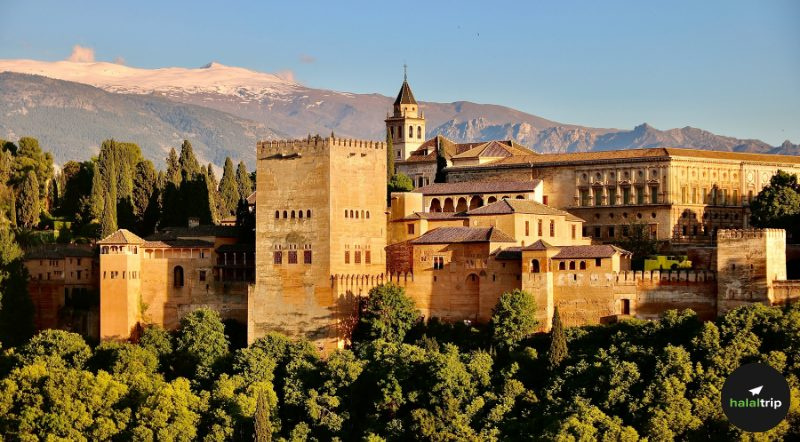
For almost eight centuries, the lands of Al-Andalus thrived as a crossroads of knowledge, beauty, and faith. Its spirit shaped the rhythm of life in Spain, from architecture and language to the fragrance of orange blossoms in Andalusian courtyards. Today, that legacy continues as more than a memory. It is a living presence woven into the walls, streets, and melodies of Spain itself, waiting to be rediscovered by travelers.
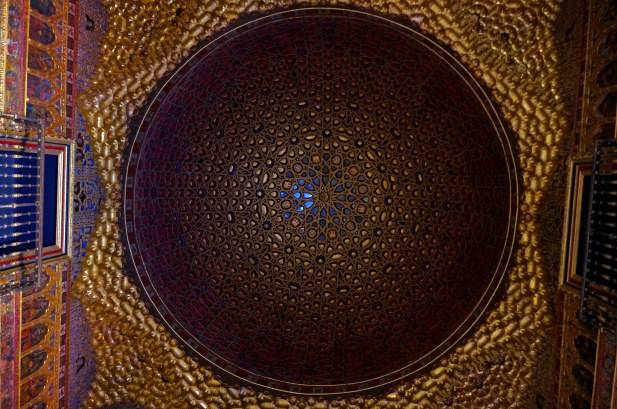
Photo of Real Alcázar’s Dome | Image Credit: Lothar Boris Piltz on Unsplash
From 711 to 1492, Al-Andalus thrived as a bridge between worlds. Cities such as Córdoba, Granada, Seville, and Toledo flourished as centers of art, science, and poetry. Strolling through the narrow lanes of Córdoba’s old quarter, admiring the wooden dome of Seville’s Real Alcázar, or pausing beneath Granada’s hilltop palaces, travelers can sense how deeply those centuries shaped the country’s identity.
The influence of Al-Andalus still whispers in arches, fountains, and city layouts that follow the organic flow of old medinas.
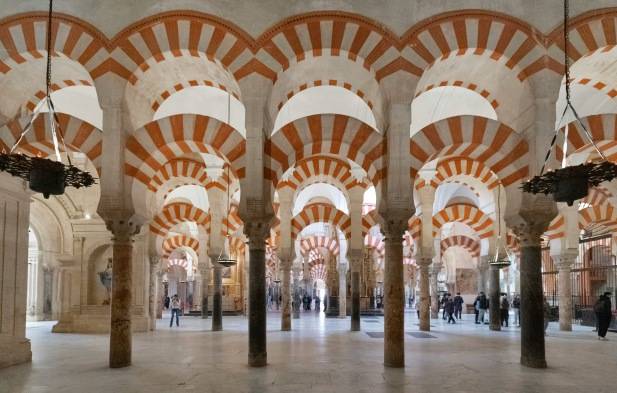
Image Credit: Jordi Vich Navarro on Unsplash
The story of Al-Andalus lives most visibly in stone, as architecture, art, and engineering flourished greatly during the Islamic rule in Spain.
In Córdoba, the red and white arches of the Mezquita-Catedral still evoke harmony between geometry and devotion. In Granada, the Alhambra remains a masterpiece of detail and light, a poetic expression of paradise. In Seville, the Giralda Tower, once a minaret of the Grand Mosque, stands proudly beside the cathedral that later grew around it.
Beyond these icons, fragments of Islamic design appear across Spain, from the rammed-earth walls of Badajoz to the city layout of Albarracín. Each site carries the mark of a culture that sought beauty in symmetry and serenity.
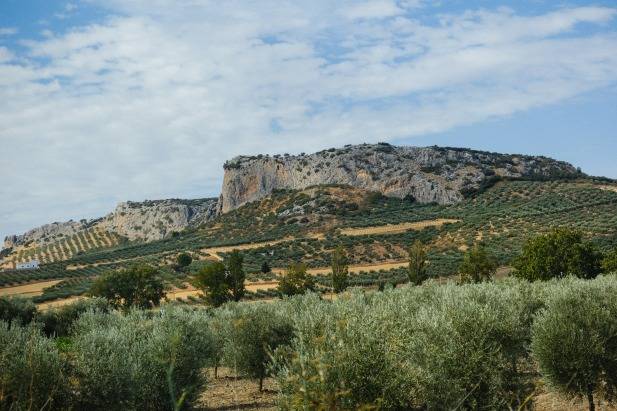
Photo of Olive Trees in Ronda | Image Credit: Alexis Presa on Unsplash
The influence of Al-Andalus reached far beyond aesthetics. Many Spanish words, such as aceituna (olive) and almohada (pillow), reveal Arabic origins. Andalusí scholars advanced astronomy, medicine, and hydraulic engineering, building irrigation systems that transformed agriculture and still feed Spanish orchards until today. Their curiosity and precision played a key role in Europe’s scientific awakening.
This legacy lives on quietly in Spain’s daily rhythm, in olive groves, tiled fountains, and the gentle hospitality that welcomes visitors with open hearts.
Spain continues to celebrate this shared heritage through festivals of Andalusian and Sufi music, traditional crafts such as glazed ceramics and embossed leather, and flavors that echo the same ingredients once traded through the Islamic world, including rice, almonds, saffron, honey, and dates.
For Muslim travelers, these experiences offer more than sightseeing; they offer connection. To walk through Spain with awareness of Al-Andalus that once reigned is to recognize how faith, creativity, and coexistence have flourished side by side for centuries, and how this history still shapes the country’s warmth today.
Al-Andalus is not a chapter closed. It is a melody that continues to play softly through Spain’s plazas and gardens. Each visit, each story retold, keeps that harmony alive, reminding us that the beauty of the past can still guide the spirit of the present.
Discover more Al-Andalus-inspired journeys inside the Halal Travel Guide to Spain!

