
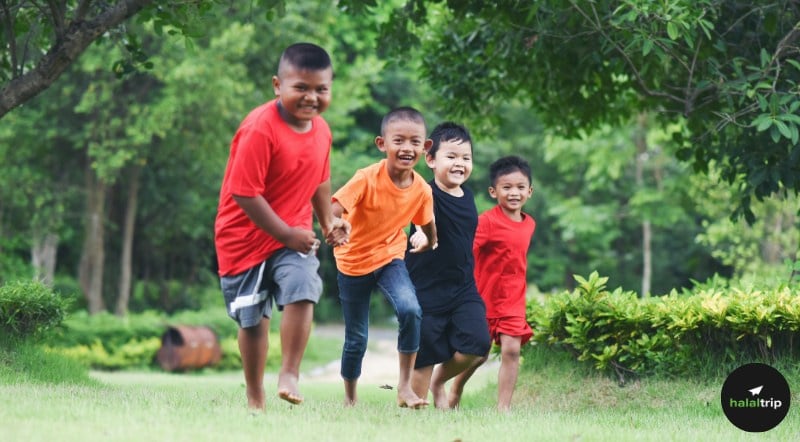
Ramadan is a month of many rhythms: the hum of recitation, the clatter of plates at Iftar, and the spirited laughter of children playing in the streets. For many of us, the holy month is inseparable from the traditional games that filled the hours between school and sunset, or the late nights after Tarawih.
In a world increasingly dominated by screens, there is a beauty in revisiting these simple, offline traditions that once defined our childhoods.
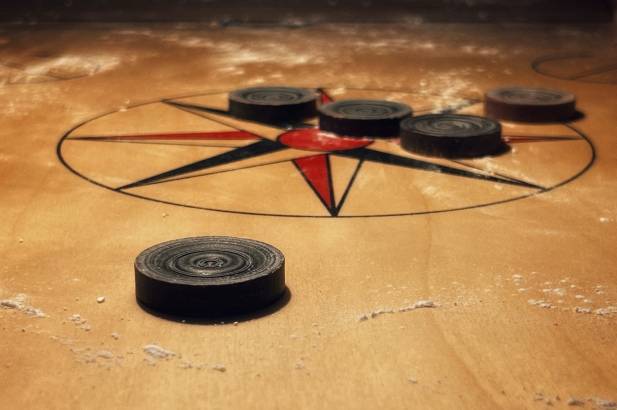
Image Credit: Shamoil on Unsplash
Walk through the neighborhoods of Saudi Arabia or the bustling alleys of India and Pakistan during Ramadan, and you will likely hear the distinct clack-clack of wooden discs hitting one another. Enter Carrom, a staple tabletop sport that is loved in many local communities.
While its roots are deeply planted in the Indian subcontinent, it has become a quintessential Ramadan pastime in the Gulf. Families gather around the square wooden board, fingers poised to strike the "striker" with precision, aiming to pocket the carrom men. It’s a game of patience and finesse, often played over cups of tea late into the night.
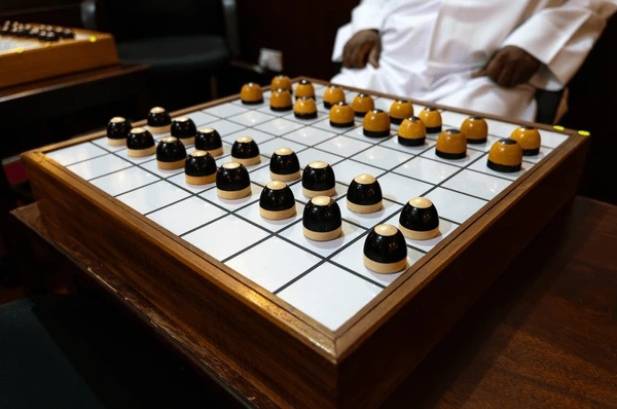
Image Credit: Shutterstock
In the Diwaniyas of Kuwait and across the Levant, Dama is the traditional game of choice. Unlike standard western checkers, Dama (or Turkish Draughts) has its own unique set of rules that require intense strategic planning.
During Ramadan, you will often see elders and youth huddled over a board in a corner, moving their pieces with calculated deliberation. It is a game that honors the mind, often serving as a bridge between generations as grandfathers pass down their winning tactics to their grandsons between prayers.
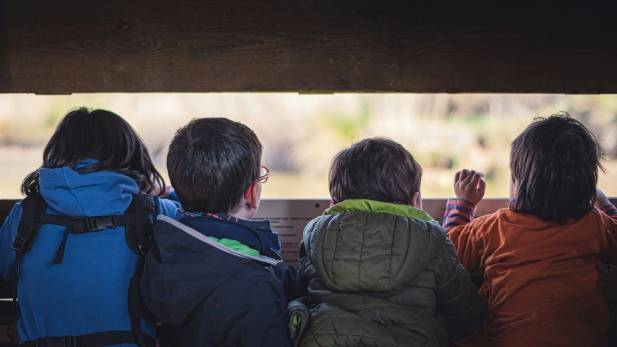
Image Credit: Xavi Cabrera on Unsplash
Perhaps the most universal of all, Hide and Seek is the unofficial sport of Ramadan nights for children everywhere. From the narrow corridors of apartment buildings in Cairo to the garden courtyards of Kuala Lumpur, the seeker’s countdown is a familiar sound. In the safety of the community during the holy month, children are often given more freedom to play outside after dark, turning every alleyway and mosque courtyard into a secret hiding spot.
In the historic city of Kirkuk, Iraq, Ramadan nights are defined by Sinya (also known as Sini wa Zarf). This traditional game involves a large copper tray (the Sinya) and several overturned cups. A ring or a small coin is hidden under one of the cups, and players must use their intuition and observation to find it. It is a game of suspense that often involves the whole neighborhood, accompanied by traditional Maqam music and plates of sweets like Zoolbiah.
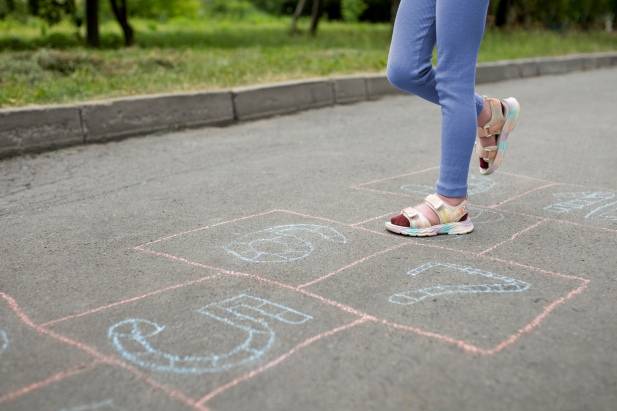
Image Credit: Freepik
For many in Southeast Asia, particularly Indonesia, the sight of a chalk-drawn grid on the pavement brings back memories of Engklek, or commonly known as hopscotch. Played mostly by children during the Ngabuburit hours (waiting for Iftar), Engklek requires a player to hop through a series of numbered squares on one leg.
This is a game of balance and agility that has survived for generations, proving that all you need for a memorable Ramadan afternoon is a piece of chalk, a flat stone, and a group of friends.
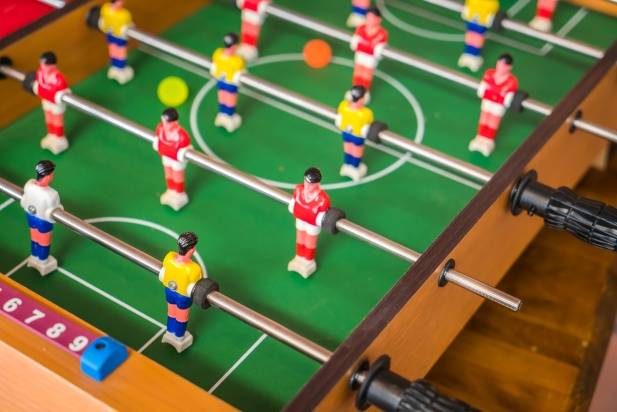
Image Credit: Freepik
Known as Farfirah in many Arab countries or simply Foosball elsewhere, table soccer is a high-energy favorite during the holy month. Whether it’s found in a local youth center or a dedicated gaming café, the frantic spinning of handles and the roar of a goal provide a sharp contrast to the quietude of the day. It’s a game that transcends language, bringing together strangers in a shared moment of sporting excitement.
As we navigate the final ten nights of Ramadan 2026, these games remind us that the holy month is as much about community as it is about individual devotion. Whether it’s the strategic silence of Dama or the joyful hops of Engklek, these traditions are the threads that weave our childhood memories into the fabric of the Ummah.
These plays remind us that sometimes, the best way to connect with our faith and our family is through the simple, shared joy of a game.

