
The arrival of the Islamic New Year, marked by the first day of the month of Muharram, is a meaningful time of reflection for Muslims around the world. Instead of loud celebrations or fireworks, this occasion is generally observed with quiet gratitude, prayers, and family gatherings. It offers a great opportunity for the global Ummah to look back at the past year and set positive intentions for the future. For travelers and communities alike, 1 Muharram highlights the rich history of faith and shows how different cultures celebrate a shared heritage.
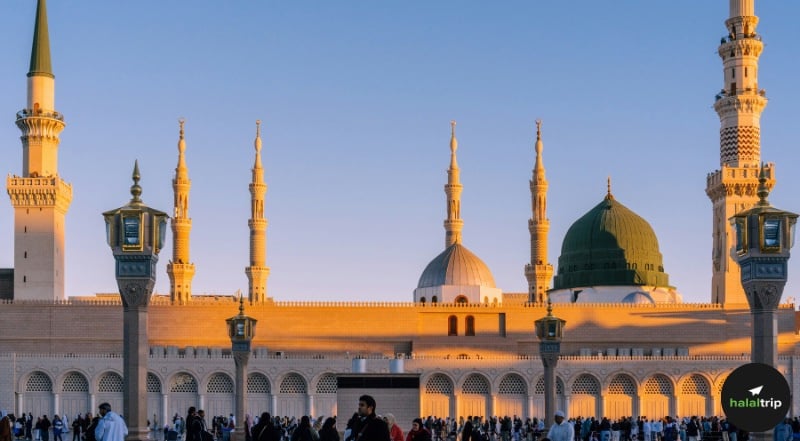
The Islamic calendar begins with an important historical journey known as the Hijrah. In the year 622, the Prophet Muhammad, peace be upon him, and his companions migrated from Makkah to Madinah to escape persecution. This migration was a pivotal moment because it allowed the early Muslim community to establish a society based on peace, cooperation, and shared values.
This journey serves as a timeless reminder of trust in God during difficult times. This reassurance is found in the Quran, where Allah mentions the comforting words of the Prophet to his companion during their journey.
“Do not worry; Allah is certainly with us.” (At-Tawbah 9:40)
When the second Caliph, Umar ibn al-Khattab, created the Islamic calendar years later, he selected the year of the Hijrah as the official starting point, ensuring that every new year begins with a lesson in perseverance and hope.
Muslims around the world welcome the New Year through a variety of unique cultural traditions, showing the great diversity of the global community. In Southeast Asian countries like Malaysia and Indonesia, people often gather at local mosques for special evening prayers to read the traditional end of year and beginning of year supplications, asking for forgiveness and blessings.
In the Middle East, the day is often centered around family, where relatives gather to share a quiet meal and spend quality time together. In several African Muslim communities, neighbors work together to cook large meals for the less fortunate, choosing to start the year with acts of charity. Whether through quiet reflection at home or gathering with neighbors at a local mosque, the global Ummah welcomes the year with a shared hope for safety and peace.
Observing 1 Muharram helps us connect with our history and look forward to the future with a clear mind. From the original journey of the Hijrah to the simple traditions practiced across different countries today, the Islamic New Year remains a gentle reminder of unity and self-improvement. It shows us that no matter where we live, we can all work toward becoming better versions of ourselves.

