
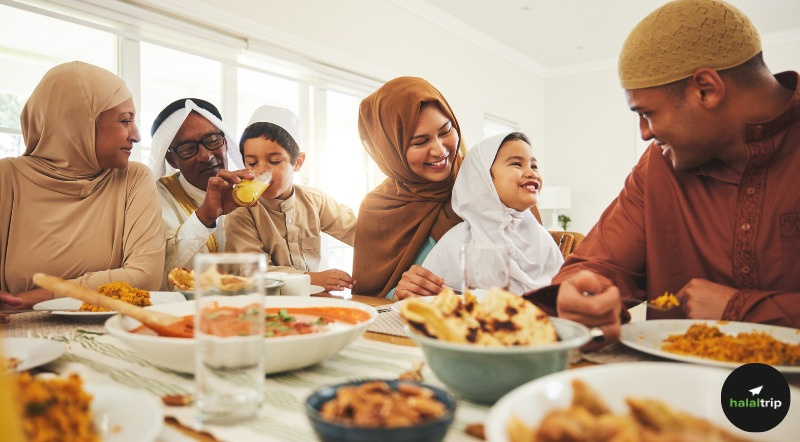
While the spiritual essence of Ramadan remains universal, the way we welcome the month is as diverse as the Muslim community itself. From the mountain villages of Yemen to the crystal-clear springs of Indonesia, local cultures have woven their own unique threads into the tapestry of the holy month. As we begin our journey through Ramadan 2026, let us explore the beautiful rituals that signal the start of this month of mercy.
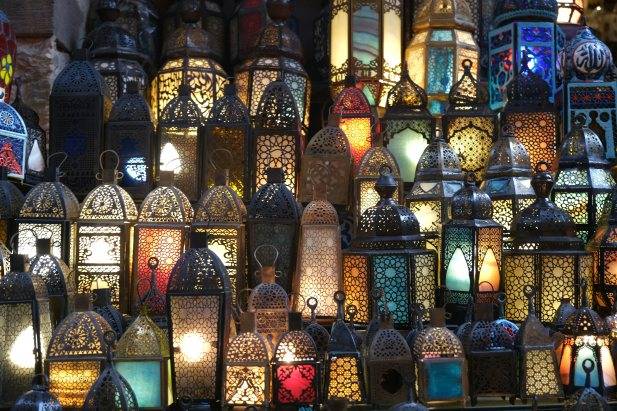
Image Credit: Andreea Munteanu on Unsplash
In the bustling streets of Cairo, the arrival of Ramadan is marked by a sudden, brilliant transformation of the night sky. The Fanoos, or colorful lanterns, are the heartbeat of the Egyptian Ramadan experience. These lanterns, often made of intricate metalwork and vibrant glass, trace their roots back over a thousand years to the Fatimid Dynasty.
Legend has it that the people of Cairo held lanterns to light the way for a Caliph arriving on the first night of the month, and the tradition stuck. Today, children carry their own small lanterns through the neighborhoods, singing folk songs and asking for treats, while massive, ornate versions hang from balconies and storefronts. It is a tradition that turns the entire city into a glowing sanctuary of light.
Indonesia, with its vast archipelago, holds some of the most diverse and deeply rooted Ramadan traditions in the world. In regions like Java, the focus is on a balance of community, family, and spiritual cleansing.
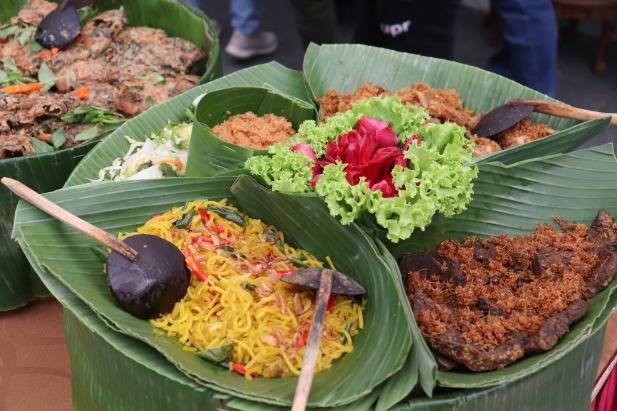
Image Credit: Mufid Majnun on Unsplash
In East and Central Java, the month begins with Megengan. This is a communal gathering where neighbors sit together to share a meal, usually featuring traditional snacks like apem (a symbolic cake representing forgiveness). It is a moment to pray for ancestors and strengthen the bonds of the neighborhood before the fast begins, ensuring everyone enters the month with a full heart and a peaceful mind.
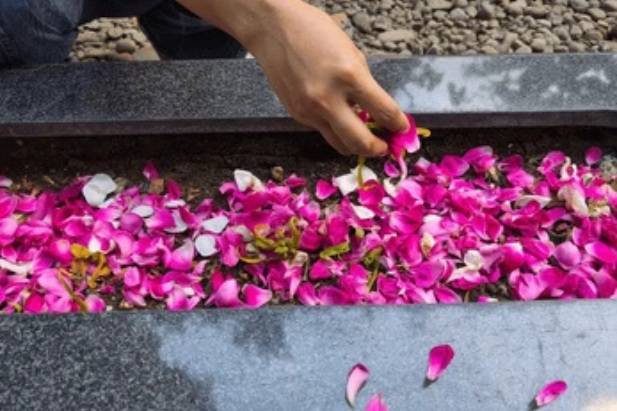
Image Credit: Shutterstock
Before the first day of fasting, millions of Indonesians participate in Nyekar. This is a solemn yet beautiful tradition of visiting the graves of family members. People clean the burial sites, decorate them with fresh flowers, and offer prayers for their loved ones. It serves as a poignant reminder of our lineage and the continuity of faith across generations.
To achieve physical and spiritual purity, many Javanese Muslims practice Padusan. Families and friends gather at natural springs, waterfalls, or ancient pools to bathe together. The act of "washing away" the past year’s spiritual burdens in fresh, running water allows the believer to start the first day of Ramadan feeling entirely refreshed and renewed.
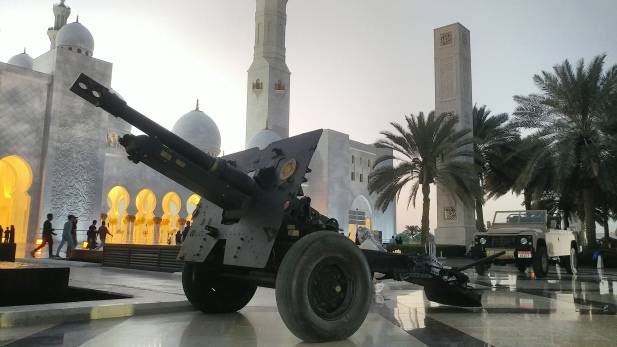
Image Credit: Iron Gargoyle on Wikimedia Commons
While we now rely on digital notifications for our Iftar timings, the people of Lebanon still cherish the thunderous roar of the Midfa Al Iftar, or the Iftar Cannon. This tradition is said to have started in Egypt in the 19th century when a ruler accidentally fired a cannon at sunset, and the people mistook it for a signal to break their fast.
The practice quickly spread to the Levant, including Lebanon and other countries such as Bahrain, United Arab Emirates, and Qatar, where it became a beloved fixture of the month. Today, even in modern Beirut, the sound of the cannon echoing across the city remains the most nostalgic signal of the day. It creates a shared moment of relief and joy that a smartphone alert simply cannot replicate.
In the Maldives, the arrival of the holy month is heralded by the soul-stirring sounds of Raivaru. These are ancient, rhythmic poems recited in a unique Maldivian style. While the language is rooted in the local Dhivehi tongue, the themes are universally spiritual.
Local poets often gather after the evening prayer to recite these verses, which focus on the beauty of the month, the importance of patience, and the history of the faith. In the quiet atmosphere of the islands, hearing the Raivaru floating on the ocean breeze is a truly serene way to mark the start of the fast.
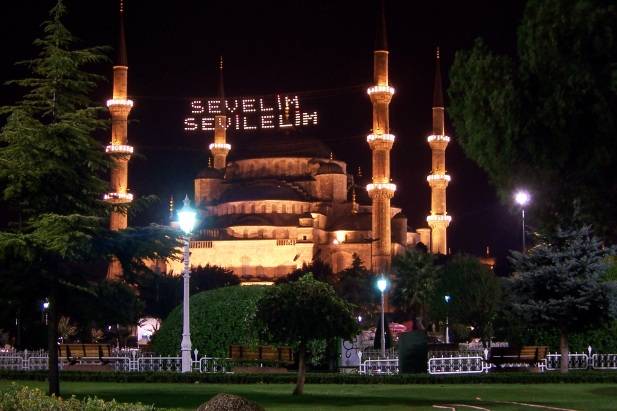
Image Credit: Ugur Basak on Wikimedia Commons
Turkey’s Ramadan aesthetic is defined by the Mahya, a tradition that dates back to the Ottoman Empire. These are strings of oil lamps, and now LED lights, hung between the minarets of the great imperial mosques.
These lights are carefully arranged to spell out inspirational messages or beautiful calligraphy, such as "Welcome Ramadan" or "The Month of Mercy." For centuries, the Mahya were the only way to communicate messages across the night sky, and they remain a breathtaking sight today, turning the city’s skyline into a silent, glowing sermon.
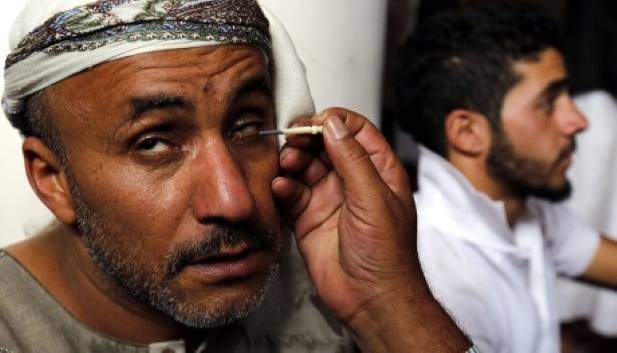
Image Credit: Shutterstock
In Yemen, the preparation for Ramadan is visible on the faces of the people. It is a long-standing tradition for men, women, and even children to apply Kohl (a natural eyeliner) to their eyes as the month begins.
While Kohl is a beloved Sunnah of the Prophet ﷺ, in Yemen, it is also believed to have cooling properties that help protect the eyes from the dry heat during the long days of fasting. Beyond the health benefits, the blackened eyes serve as a visual badge of the month, a small but significant ritual that connects the wearer to centuries of Islamic heritage.
Whether it is through the roar of a cannon in Lebanon or a quiet prayer by a Javanese spring, these traditions remind us that we are part of something much larger than our own neighborhoods. Each ritual is a different way of saying "Welcome" to a month that brings us all together. As we navigate Ramadan 2026, let these global stories inspire us to find the beauty in our own local traditions and the shared heart of our global family.


