
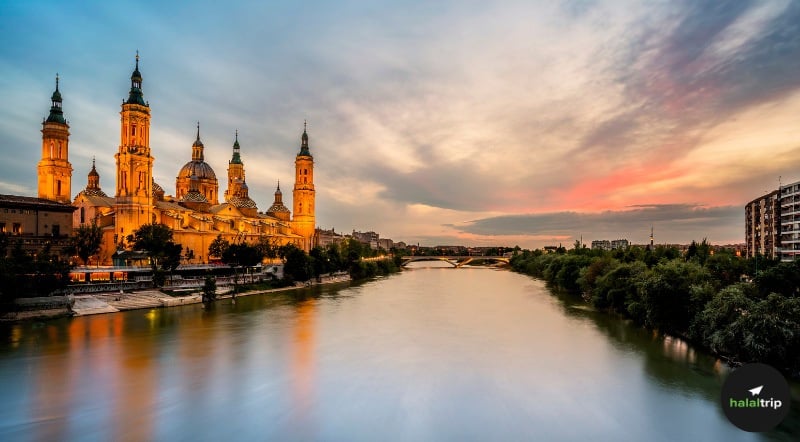
While many travelers focus on the palm-fringed streets of the south, the soul of Al-Andalus also reached the rugged, dramatic landscapes of the north. Aragon was once the "Upper Frontier" (Thagr al-Andalus) of the Islamic world, with Zaragoza as its shining capital.
Today, this legacy lives on in the form of Mudejar architecture; a unique UNESCO-listed style where Islamic artistry and Christian structures blend into something truly spectacular. For the Muslim traveler, Aragon offers a journey of discovery through hidden palaces, pink mountain towns, and emerald valleys.
Once known as Saraqusta, Zaragoza was the seat of one of the most powerful and culturally rich Taifa kingdoms in history. The city is a masterpiece of brickwork and history, and below are some destinations where you can see those masterpieces with your own eyes.
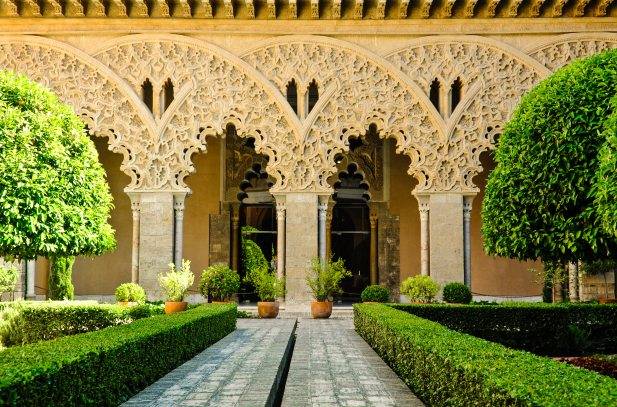
This is the crown jewel of the north. Built in the 11th century, it is the most important Islamic building in Spain outside of Andalusia. Do not miss the small, octagonal prayer room inside; its intricate mihrab and interlaced arches served as a direct inspiration for the later wonders of the Alhambra.
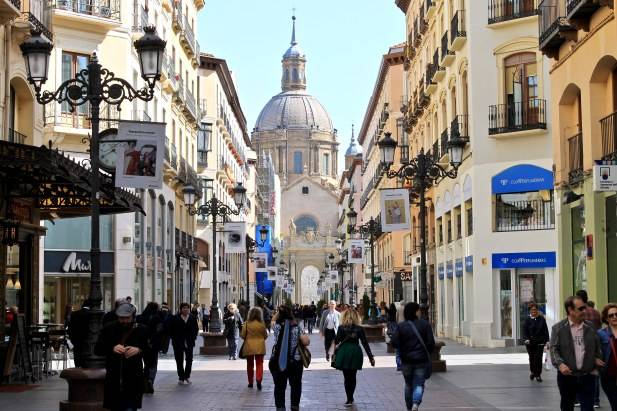
El Pilar is the city’s renowned landmark. This basilica-cathedral is one of Spain’s most important Marian shrines; and still serves as the stronghold of Zaragoza’s identity.
After admiring the beauty of El Pilar, stroll down the elegant Alfonso I Street and it will lead you toward the grand Ebro River. This beloved walking avenue links the Marian shrine with the city’s historic centre. Lined with shops, cafes, and picturesque spots, a visit here is a must.
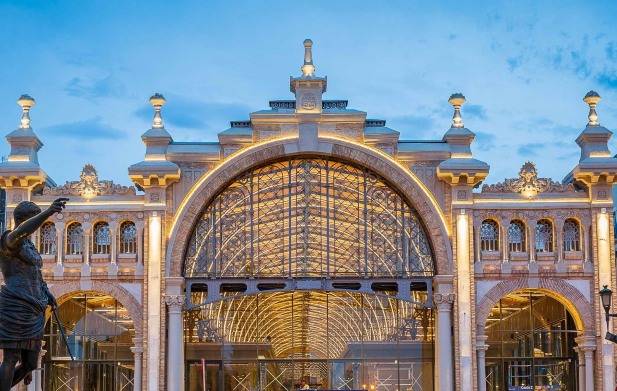
Built on the site of what was once a bustling 9th-century Muslim market (zoco), this Modernist building is still the heart of the city’s food scene; perfect for picking up fresh local fruits, olives, and Aragonese sweets.
Beyond the capital, the region of Aragon unfolds into landscapes that feel like they have been lifted from a legend.
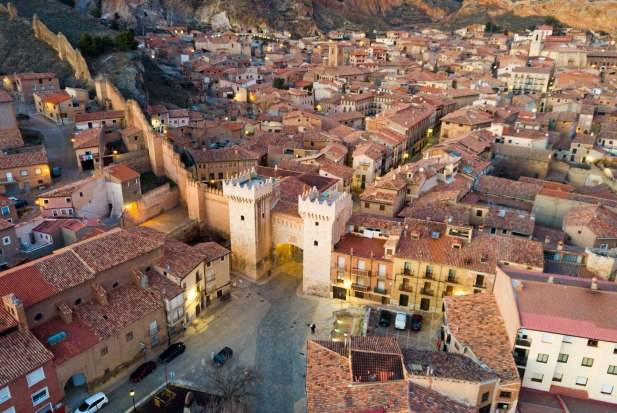
Hop on a car or train ride to a 300-km route encompassing Aragon’s three provinces to witness and discover the Andalusi legacy in northern Spain. Following this track, you’ll have your key stops in Huesca, Zaragoza, Calatayud, Daroca, and Albarracín; where you can find six UNESCO-listed heritage sites waiting for you to admire them.
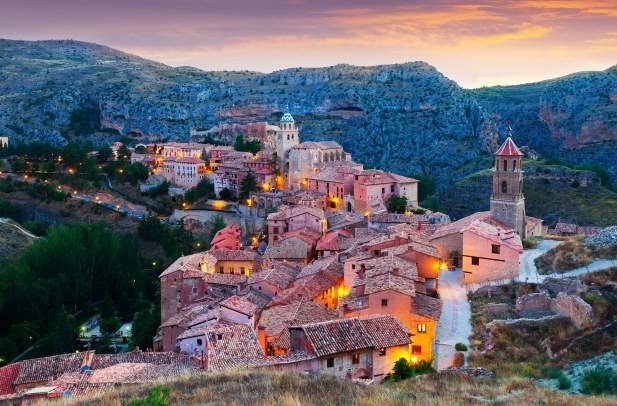
Often voted as one of the most beautiful villages in Spain, this town was a small Islamic taifa in the 11th century. Its iconic pink-hued houses and medieval walls cling to the cliffs, offering a breathtaking glimpse into its past as a mountain stronghold.
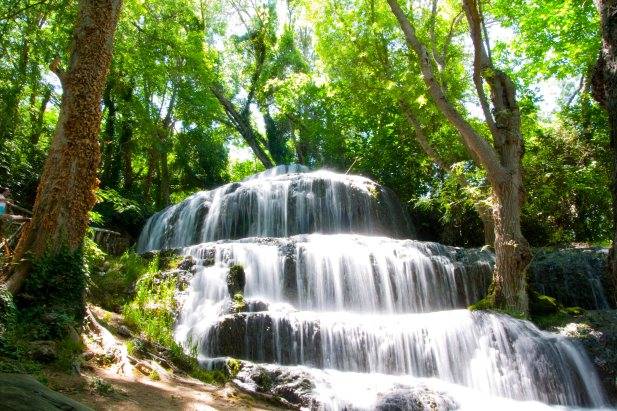
Named after the nearby monastery that was built over the ruins of an 11th century Islamic fortress, this natural park is a paradise of waterfalls, caves, rock formations, and mirror-like lakes.
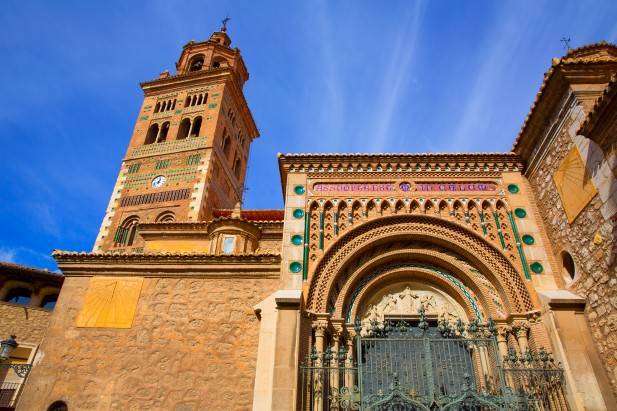
Known as one of the capitals of Mudejar art, Teruel is home to soaring brick towers decorated with geometric patterns, glazed tiles, and wooden ceilings. Its UNESCO-listed cathedral’s ceiling is a masterpiece of Islamic-influenced woodwork so beautiful it is often called the "Sistine Chapel of Mudejar."
Zaragoza and the surrounding region are increasingly welcoming to Muslim visitors, with essential facilities that make travel seamless.
Aragon is a land where the mountains meet the sky and history is etched into every brick. From the golden arches of the Aljafería to the rushing waterfalls of Piedra, it is a region that rewards those who seek the path less traveled.
Explore Aragon’s heritage route with the regional maps that you can find on the Spain Halal Travel Guide!

