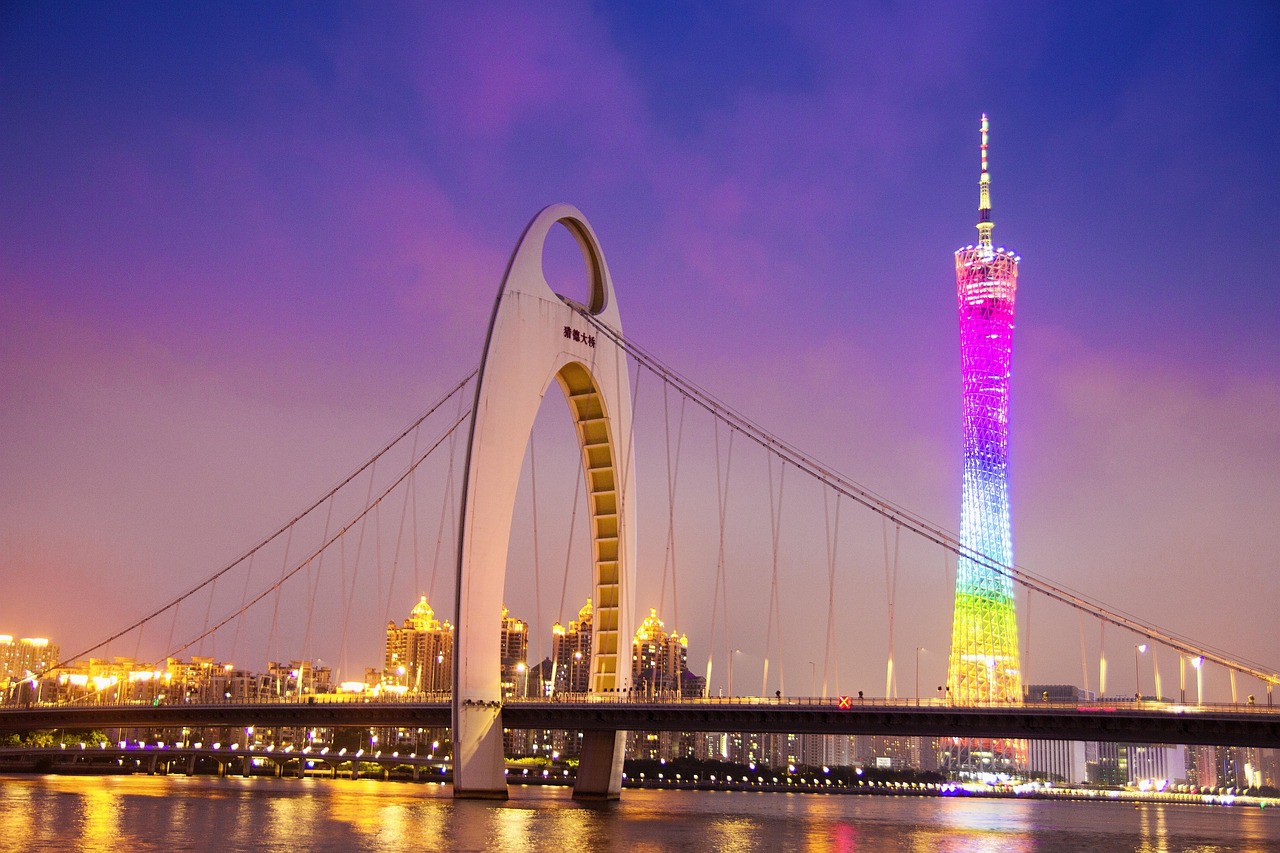
It wasn’t about landmarks or symbols of travel guides on that evening when I first set foot in Guangzhou. The smell of roasted peanuts from a passing cart mixed with neon lights reflecting on puddles, water gathered from a recent shower still spread out; streets seemed to be sleeping for the night, absorbing everything at leisure. I followed a beat round a corner, hearing bass crash from an upstairs bar; glass clinks mingling with laughs. Just a moment later, the silhouette of Zhujiang New Town loomed before me. But there was a temple roof blotting out nearby shadows. This kind of contrast seemed to be Guangzhou’s truest welcome — confused, layered, yet slightly piquant.
If you are already wondering how best to plan your own route here, then you can look at the favourites of others to get a sense for what keeps bringing people back traveling along the same road. Check what keeps bringing people back, and then see the full Guangzhou Top Attractions guide here.
When people ask me why Guangzhou seems totally different from all other big Chinese cities, I usually tell them about this curious moment where tradition and neon seem to clash. You might wander around an old teahouse in Liwan, hearing that classic click of porcelain cups; five minutes later you’ll be gazing up at the glittering skyline of Zhujiang New Town. This mix doesn’t always make sense on paper, but up close there’s something harmonious about it. The city has its own pulse, and in 2025 this feeling seems only to be gaining in strength as heritage sites rub shoulders with towering futuristic buildings. Some folks say it’s like Shanghai, but honestly Guangzhou is a bit rougher. It has more angles and more layers, and for my money it feels slightly easier to breathe if you know where to go.
Once, during Canton Fair season I tried in vain to squeeze onto the metro's Line 3 with a mixed bag of business travelers, kids and grandparents carrying bags full of lychees. It hit me then that Guangzhou wasn't a provisional stop but a living city. For the traveler, this means not just "seeing" the sights but getting entangled with the city's pulse. Any guidebook which only lists the most popular stops misses the point; the real gems in Guangzhou are simply vegetable markets or the river itself, and the rhythm of city life. On your first visit, take a new approach. Don't worry about checklists, think instead about how you'd like to feel there. Do you want a sense of what it feels like being atop the tallest tower in the world? Or prefer going slow under banyan trees so thick with incense that no air conditioner can penetrate them? Either way, Guangzhou will embrace you.
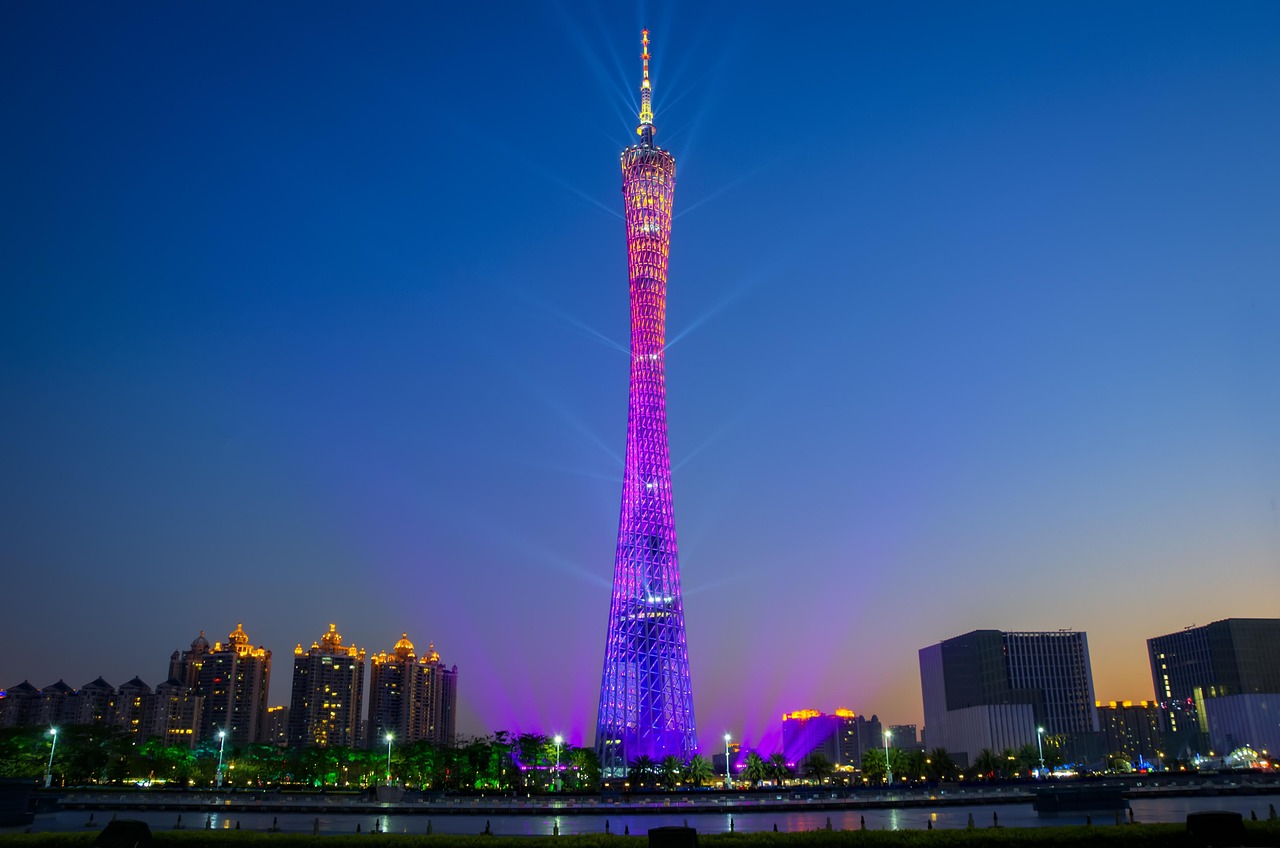
The first time I rode up Canton Tower, the view as the glass elevator began its ascent made my heart palpitate. Below, the Pearl River curved like a silver ribbon through the city. On the observation deck, a family from Hunan taking photos of themselves passed their phone around among dozens of other people trying to get into shot in front of Guangzhou's illuminated night sky. Purchasing a ticket from Ctrip started at ¥150, but with a Bubble Tram circling above, what you paid for was worth so much more. Nights are no longer just for travel to a different place but for feeling the pulse of Guangzhou itself.
After that evening, I left from Tianzi Wharf on a boat cruise. In stark contrast, the boat drifted along quietly with bright reflections shimmering on the water. Couples leaned against the railing like movie extras with smartphones raised against red backdrops; a child beside me with an English name pointed excitedly and called a toy 彩虹桥 (Rainbow Bridge). The standard seat price is ¥80–¥100, but even with the cheaper ticket, the view seemed priceless. The shining skyline across the river remains in my mind like performance art.
The ground smelled of moistened earth and still warm cut grass that one drizzly morning I crossed Yuexiu Park on foot. At The Five Rams Sculpture, children with paper windmills balanced against the wind laughed around their grandparents telling ancient founding stories. Just behind them, Zhenhai Tower stood stubborn against the mist, now filled with museum showcases but still giving off that old Guangzhou swagger. This feeling of stepping softly is what brings small moments to the park; it turns the tourist spot into more like the city’s open-air living room.
The Temple of the Six Banyan Trees was different. I slipped through its red gates on a weekday morning, only to find spirals of incense hanging from above. As they smouldered, smoke attached itself to my shirt. The Flower Pagoda reached gently for the heavens, blackened by centuries’ passage. Entry fee was ¥5, but the experience carried a quiet weight that stays with you — a kind of silence that follows you back out onto the streets.
Over at the Mausoleum of the Nanyue King, the jade burial suit shimmered under soft lights. I found myself gazing long at its detail, unable to look away. The ticket price was about ¥12–20, yet the sense of entering a world 2,000 years old was beyond any numbers.
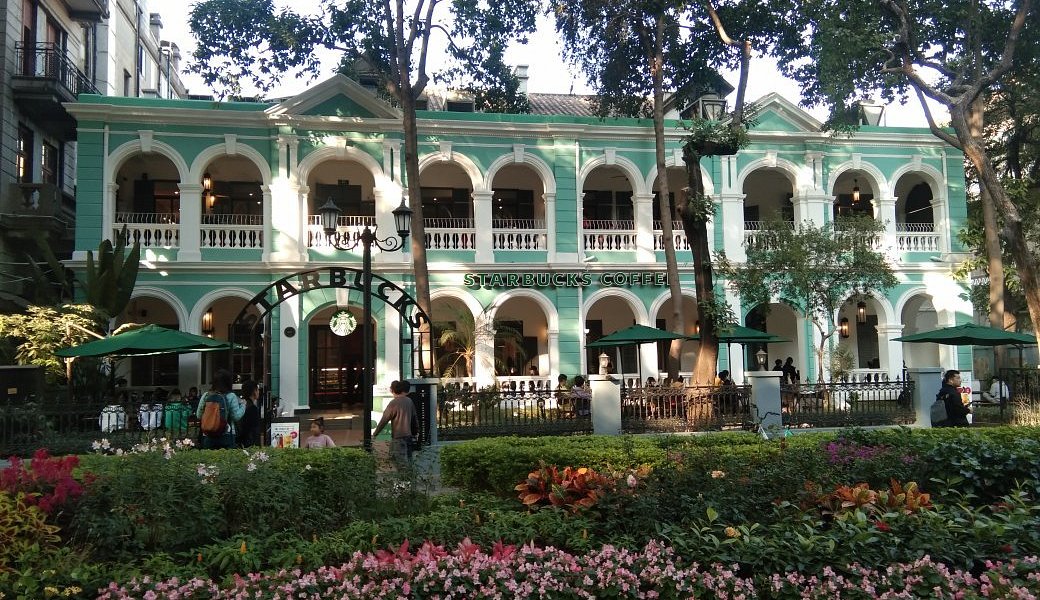
It's like stepping off the timeline of Guangzhou. To reach Shamian Island, cross the small arch bridge. The day I wandered to and fro on it, a drizzle had just ended, banyan trees dripping onto cobblestones. A bride lifted her white dress carefully above puddles as the photographer snapped commands to his assistant. I slipped into a cafe where the menu had shaky English translations such as "Flower Tea of Happy"—overpriced but with a view from my table that was worth it.
The feeling of Shamian is different. While foreign tourists crowd Beijing Road in a frenzied cacophony punctuated by LED screens, here colonial facades whisper instead. The lobby was grand at White Swan Hotel beside the river, and foreign guests flock back again and again. I couldn't afford their prices, so I settled for a small inn across the canal where nights seemed golden and so did mornings. The echo of the church's bells sounded faint against Cantonese opera leaking from someone's cell phone, and for that moment I forgot the city beyond.
For more about this riverside retreat, check Shamian Island Guangzhou with its colonial mansions and banyan-lined paths.
The crowds on weekends at Chimelong need no advertising. In the drive-through zone giraffes were so near I almost forgot to roll up the window. A carload of kids ahead squealed as a zebra nuzzled their vehicle. Tickets are around ¥250–¥300, but booking on Ctrip helped me avoid a queue that snaked halfway around the entrance gate.
The panda enclosure was silent inside, families leaning quietly over the railings. Later, in Chimelong Paradise, I watched teenagers emerge from the 10‑Inversion Roller Coaster with laughter louder than the ride's screech. At the food stalls, the smell of fried squid drifted by, though the prices made me wish I had brought local snacks. At dusk, my legs ached, but the sight of lights flicking on near the exit felt like a good exhaustion.

The first thing that struck me at the Chen Clan Ancestral Hall was not the carvings but the silence between groups of tourists. Tracing the edge of a stone balustrade, whose grooves have been smoothed by a century of hands, above one sees porcelain figures frozen mid‑battle. The ¥70 entry ticket didn't feel like much, but the artistry piled into every corner of the building seemed priceless. You don’t just walk through a museum, you step into someone's history still alive.
That evening, I walked down to the Guangzhou Opera House. Its curves gleamed under street lamps, like pebbles polished by the Pearl River. I did not have a ticket at first but ended up buying a cheaper one, about ¥180, for a small show. Inside, the acoustics wrapped around me, every note ringing as if the hall were breathing in harmony with the orchestra. People in suits and sneakers sat side by side, proof that culture here is not locked behind glass.
An all-day subway pass costs ¥5–¥12, and when jet lag has prevented you from sleeping, don't be discouraged; the bilingual signs were designed to help foreigners ride easily. It's a good idea for most to stay in Tianhe district, where there are scores of international-style hotels for foreign guests. Mid‑range comfort and convenience, almost all of them are ¥400–¥800 per night.
If time is limited, combine sights together. Canton Tower is a great place to see the sunset, then take a Pearl River ferry. Spend a morning in Yuexiu Park, and walk from there to the Temple of the Six Banyan Trees. Shamian Island is worth half a day, and Chimelong is best for a full day when you have energy.
One word of warning – Guangzhou summers can stick to your skin. The humidity is heavy, so November to March is best if you dislike heat. In the off‑seasons the city breathes easier, and so will you.
| Item Price Range | |
|---|---|
| Canton Tower Entry | ¥150–¥300 |
| Pearl River Cruise | ¥80–¥150 |
| Chimelong Safari Park | ¥250–¥300 |
| Option Notes | |
|---|---|
| Metro | ¥2–¥6, fastest and cheapest, bilingual signs |
| Taxi / Didi | Around ¥20–¥40 for short rides |
| Walking | Best for Shamian Island, Yuexiu Park areas |

